Inside Llewyn Davis (2013) ☆☆☆1/2(3.5/4) : Play it again, Llewyn

insidellewyndavis02  “Inside Llewyn Davis” is probably the most restrained work from the Coen brothers, but it is probably the most atmospheric film from these talented brothers who has freely moved between various genres to delight(and punch) us for many years. While their plot here in this movie is far less twisty than some of their memorable comedies, the movie is shrouded in the melancholic but lovely atmosphere to be appreciated with its top-notch production design and soundtrack, and that frustrating elusiveness of success felt by its artist hero feels closer to us even when we are tickled by the Cohen brothers’ wry sense of humor residing beneath his gloomy plight during one wintry week.

It is winter in 1961, and every day is struggle for a young unknown folk singer Llewyn Davis(Oscar Isaac). He did make one album with his partner, but his album did not give him a breakthrough he had yearned for, and now he is performing alone because his partner, who never appears in the movie except in the photo on the album jacket, recently committed suicide for some reason.

He has no home, so he usually bounces around the homes of his friends or acquaintances. In the next morning after his latest performance at the Gaslight Cafe in Greenwich Village, we see him waking up at the nice, comfortable apartment belonging to a generous college professor he is acquainted with. There is no one in the apartment, and he is supposed to leave the place gently after having a breakfast and leaving a note expressing his small gratitude to the professor, but he finds himself stuck with the professor’s pet cat. The door is already locked when he sees that the cat has gone after him, and, to make the matters worse, there is no one to keep the cat for a while in the apartment building.
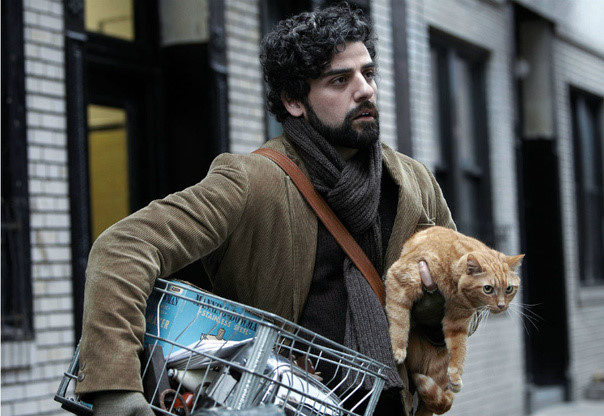
insidellewyndavis03 While being its reluctant temporary keeper, he searches for another place to stay for tonight. He luckily gets it within a short time, but he is not welcomed much. His fellow folk singer Jim(Justin Timberlake) and another temporary guest Troy Nelson(Stark Sands), who is also building his own singing career while serving in US Army, do not mind about Llewyn and the cat staying with them, but Jim’s partner/wife Jean(Carey Mulligan) is hostile to Llewyn for a very good reason; she is pregnant, and it may be Llewyn’s child. Whatever happened between her and Llewyn in the past, their private conversation scene is bitter enough for us to see that Llewyn was not a good man to her, and Mulligan delivers her character’s barbed lines with pungent precision: “Everything you touch turns to sh*t, you’re like King Midas’s idiot brother.”

He tries to get the money for her abortion, and he also tries to get any good chance for his career, but the coincidences in his life seem to align mostly against himself. Besides losing the cat(and that is not the first time, by the way), he keeps finding himself against the wall, and he gets frustrated by that. His old, ineffectual agent is not very helpful, and his disastrous trip to Chicago does not change anything even though he did present his talent to a prominent Chicago music producer(played by F. Murray Abraham) in the end, and now he comes to wonder seriously about whether he should give up his singer career or not.

In their many comedy films, the directors/writers the Coen brothers frequently had a devious fun with throwing twists and turns at their unlucky heroes struggling within messy situations, but they sometimes showed care to their characters even when drawing sharp laughs from their plights, and the results were some of their best works including “Fargo”(1996) and “A Serious Man”(2009). In case of “Inside Llewyn Davis”, they subtly balance their story between drama and comedy, and the humorous moments in the movie are mostly kept at low-key level. For example, when Llewyn visits his aging dad at a nursing home, we naturally come to expect something to come out when he plays a song for his father, but this scene feels so quiet and serious that it may take some time for you to realize its punch line at the end of the scene.

insidellewyndavis05 The screenplay, which is as intelligent and precise as we can expect from the Coen brothers, provides a fair share of offbeat moments which work well with the melancholic background in the film. One of the best moments comes from a part involved with Llewyn’s trip to Chicago, and John Goodman, who plays a boisterous guy who happens to travel along with Llewyn and a beatnik poet played by Garrett Hedlund, steals the show with his character’s obnoxious rudeness.

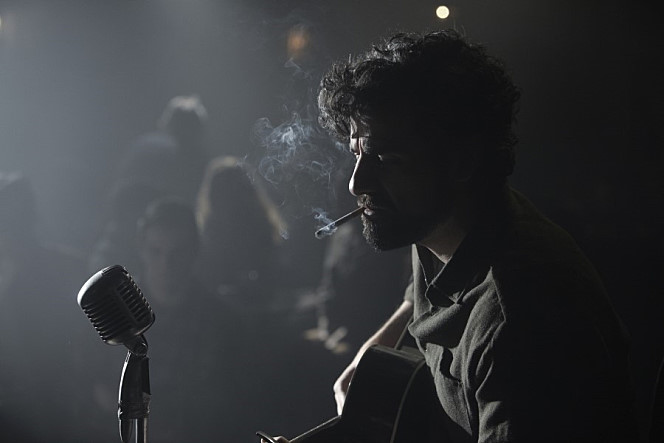
The music is a crucial part in the story, and the songs produced by T-Bone Burnett, who previously collaborated with the Coen Brothers in their another music movie “O Brother, Where Art Thou?”(2000), are well-chosen for giving the feel of the era before Bob Dylan became popular. The lead actor Oscar Isaac, who unfortunately did not get Oscar-nominated for his dedicated performance, and his co-actors including Carey Mulligan and Justin Timberlake sing the songs for themselves in the movie, and they are good enough to make an enjoyable soundtrack to listen(“Please Mr. Kennedy”, an amusing novelty song performed by Issac, Timberlake, and Adam Driver, is the most fun of all). The period setting in the movie is impeccable, and the cinematographer Bruno Delbonnel, who deserves a recent Oscar nomination for his work here in this film, did a impressive job of creating the smoky mood of light and shadow for the performance scenes at the Gaslight Cafe, and the gray, unsaturated tone of his cinematography effectively accentuates the desolation and desperation inside the story.

While virtually throwing gut-punch to its unfortunate hero more than once, “Inside Llewyn Davis” tells that familiar hard truth about music business. Llewlyn may be talented enough to be as well-known as Bob Dylan or Dave Van Ronk(the movie was loosely and partially inspired by the career of the latter although the story is entirely a fiction), but it also requires some luck to be successful and famous, and our poor singer sadly does not have much for that while others are a little luckier. A sadder thing is, he may be destined to be stuck forever in his artistic purgatory even if he really wants to quit – and success will still be as elusive as that damn cute cat.


insidellewyndavis01

Posted in Movies | Tagged , , | Leave a comment

Wadjda (2012) ☆☆☆1/2(3.5/4) : A small but remarkable movie from Saudi Arabia

wadjda01 “Wadjda” is a small but remarkable movie for many reasons. While its director managed to shoot the entire film in the country not very supportive of movie industry, this is the first feature length film directed by a female director in the country, and the movie itself is more than enough to be selected as Saudi Arabia’s first official submission to the Best Foreign Language Film category of the Academy awards in last year.

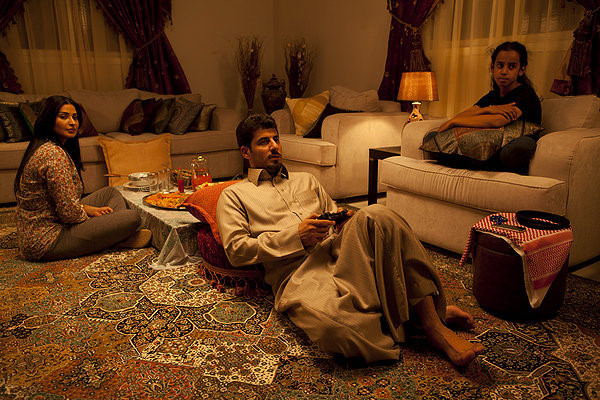
Reminiscent of several unadulterated Iranian films such as “Children of Heaven”(1997), the movie tells a simple story through the view of its young heroine Wadjda(Waad Mohammed), a school girl who has been growing her free, lively spirit under the strict rules of her society and sometimes clashes with the adults surrounding her thanks to her pluckiness. Her mother(Reem Abdullah) does not prevent Wadjda from enjoying her little freedom and privacy in her room, but she is not so pleased about her daughter’s transgressive activities including listening to some ‘infernal songs’ from the Western world. The principal of her girls’ school, Miss Hussa(Ahd), also sees the potential of troubles inside Wadjda. She sternly handle her students as required for her position as the head of the school, but she is not a mean, heartless woman; like Wadjda’s mother, she just disapproves of Wadjda’s improper deeds even though she understands her troublesome student more than she admits.

Wadjda is also well aware of the social restrictions surrounding her, and the sense of isolation and exclusion is always around her and other female characters throughout the film. We do not see any men in Wadjda’s school because they are not allowed by law, and there is an amusing moment when Wadjda is paid to be a messenger going between a girl and her secret lover. While Wadjda’s home is nearly isolated from the outside, Wadjda’s mother can go outside for her work, but she needs a driver just because women are not permitted to drive in Saudi Arabia.

wadjda05 The movie does not criticize the social aspects reflected in the story, but it is surely an odd experience for the audiences outside Saudi Arabia to observe the world where sexual inequality is taken for granted by law and religion. Wadjda’s father(Sultan Al Assaf) looks like a nice man, but he is becoming a distant figure to not only Wadjda but also to a woman whom he once loved. We seldom see him at their home, and he sometimes looks like the guest of the house although he is technically the master of the house. Like many married man in male-dominant society, he wants a son, but Wadjda’s mother does not want to get pregnant again for her health reason, and she knows too well that her husband is probably considering having the second wife just because of that.
Meanwhile, Wadjda sets herself upon a personal mission to be accomplished. She wants a bicycle for having a race with a boy who has been friendly with her, and she finds the right one for her at a nearby shop, but there are a couple of obstacles she has to deal with. While she has to learn how to ride it, she is blocked by her mother’s objection, for riding bicycle is deemed as a taboo to women(believe or not, as mentioned in the film, they think riding bicycle seriously affects woman’s fertility).

Still determined to buy that bike, Wadjda begins to save money by any means available to her. She initially tries to get the money through her usual transactions of banned items at her school, but she only finds herself soon brought to Miss Hussa for that, and her mother is naturally angry to hear about her daughter’s naughty dealings at the school.

wadjda03And then, Wadjda comes across a very good opportunity she cannot possibly refuse. She is not much interest in religion, but, when she learns that the prize of the upcoming Koran recital competition at the school is the cash enough for buying her bicycle, she immediately goes for it without any hesitation. She joins in the Koran reading class, and she also buys an interactive video game for her Koran study at home, and she turns out to be a good learner.

I do not dare to tell you anything about the outcome of her diligent efforts, but I can say that the director/writer Haifaa Al Mansour will give you powerful moments to linger on your mind even if you are not very surprised by what happens in the end. For her realistic approach to the story, Al Mansour insisted on shooting her film at Riyadh despite the restrictions to be put on her direction(she was not allowed to interact with her mostly male crew in public, for example), and how she managed to complete her debut work in spite of many difficulties resonates with her heroine’s strong-willed determination. Like Wadjda finds a way to deal with her oppressing system to get what she wants, Al Mansour found a way to fulfill her small but significant vision which is vividly packed with realistic details including female students’ quite careful handling of the Koran or a young student rejecting her mother who also happens to be a senior student of the same school(this is the world where an 8-year-old kid can get married to older guy, you know). As a matter of fact, you may be surprised to know that she directed all of the street scenes in the film from the distance while staying inside a van parked nearby(she interacted with her crew mainly through a monitor and a walkie-talkie).

The actors in the film, most of whom are non-professional ones, give natural performances as ordinary people you may encounter on the streets of Riyadh, and young actress Waad Mohammed gives an engaging lead performance as a resourceful girl who may advance as much as Al Mansour herself did in her life. As implied in the tentatively hopeful scene in the end, there will probably be more difficulties to come in Wadjda’s life, but this smart girl won’t step back easily – and we come to hope for a better future for her.

wadjda02

Posted in Movies | Tagged | Leave a comment

Gloria (2013) ☆☆☆1/2(3.5/4) : Go, Gloria, Go!

????????????????????????? Like its plain heroine, Chilean film “Gloria” will grow on you after watching it. She is merely an ordinary middle-aged lady at first, and we just observe several things in her daily life which brighten or sadden her, but we gradually see a smart, passionate woman ready for new things and willing to go for whatever she wants. We come to care about her, and we also come to cheer for her, and we are glad to be assured that she will be all right as usual.
As a divorced middle-aged woman, Gloria(Paulina García) is well aware of passing time and following changes in her remaining life, but that does not prevent her from searching for another chance of passion and romance. As shown in the opening scene at her regular nightclubs for singles, she is not a woman reluctant to follow her desire, and we see her coming across the dance floor to someone she knows right after she finishes her drink at the bar. Though only a few nice words are exchanged between them with no particular spark, she does not mind about that; she does yearn for romance, but she is not desperate at all while enjoying her nighttime.

We see more about her as following her daily life on the next day. While she has lived alone since she divorced her husband around 10 years ago, she is a working woman who can take care of herself well, and her relationship with her grown-up children is mostly nice although the gap between them has been growing. She meet and talk with them sometimes, and they are still family to each other, but she feels her children slowly leaving out of her life as they are leading their own lives outside hers.

And there is the loneliness she feels every night when she lies down alone on her bed, and a young couple living upstairs does not help much; they always quarrel with each other for some reason whenever Gloria tries to sleep at night, and that certainly annoys Gloria as much as a small pet cat which always finds a way to come into Gloria’s apartment.

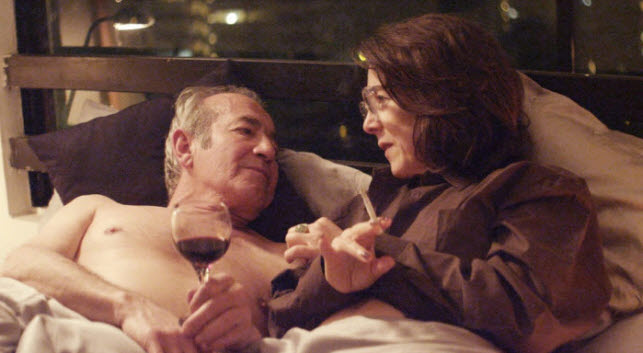
gloria0e During another usual evening at the nightclub, Gloria comes across a middle-aged guy named Rodolfo(Sergio Hernández), and they soon have a sex not long after they feel the attraction between them and then formally introduce themselves to each other. They are old as reflected by their aging bodies, so it takes some more efforts for them to enjoy their one-night stand, but the movie frankly looks at their naked bodies as well as their desires with warm humor and sensitivity while never making their scene look silly. They are not as young as before, but their hearts still want to enjoy sex, and that is all.

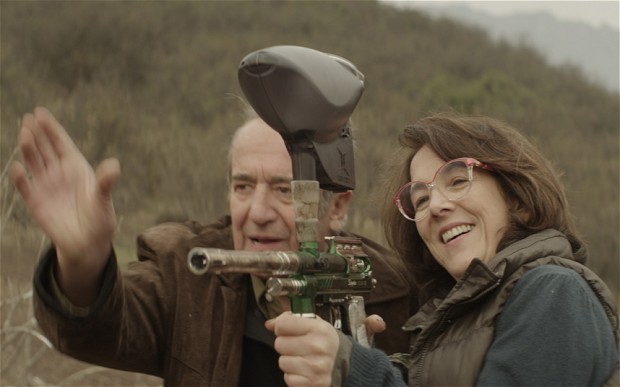
After their brief encounter, Rodolfo calls her again, and Gloria sees the possibility of the romantic relationship between him during their lunch meeting. Like she wants someone who will come into her life, he also wants someone to love, so they begins to spend more time with each other. He takes her to an amusement park, and she has one hell of fun time with a couple of exciting moments including paintball shooting. He also takes her to his home, and he expresses his love toward her through reading a nice romantic poem.

Gloria is not surprised to know that Rodolfo is no Mr. Right at all, but she begins to have reasonable doubts about whether she can move onto the next base with him. While he frankly tells her that he was once very fat(he lost his weight a lot after his gastric surgery so he wears a girdle around his waist) and also confesses that his family still depends on him in spite of his recent divorce with his wife, he does not want to introduce her to his family for his petty reasons, and Gloria begins to see how much he is still stuck with his family. He really likes her, and he is sincere when considering spending his remaining life with her, but he cannot help but answer to his daughters whenever his cellular phone rings.

Gloria tries to understand and accept him as her lover, but she only finds it increasingly difficult. She openly invites him to her family including her ex-husband and his current wife during her son’s birthday party, and everyone seems to enjoy the party together at first, but the mood is disrupted later when Rodolfo suddenly goes outside without any word. Rodolfo has his excuses as before, but, seriously, what kind of a guy can be so inconsiderate to a woman whom he is supposed to love with all his heart?

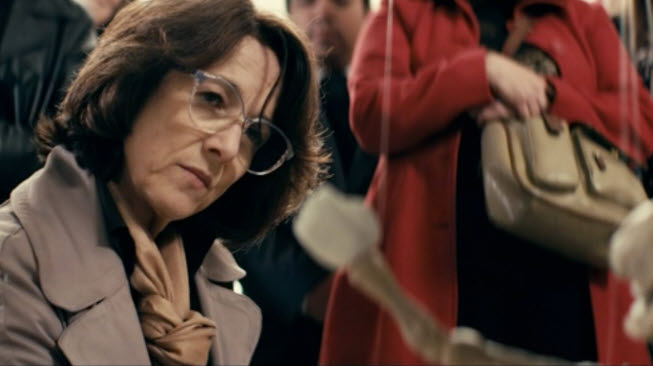
gloria02 While we see her feel hurt and frustrated a lot due to her lousy boyfriend, Gloria does not feel sorry about herself at all, and Paulina García, who won Best Actress award at the Berlin International Film Festival early in last year, gives an endearing performance as a sensible independent woman who sometimes makes mistakes but keeps moving on with her mundane life through the passion and sense of humor inside her. Even when she does not say any word, García clearly conveys the thoughts and feelings inside her character to us as carrying the movie with her performance, so we are not so surprised about her eventual decision around the ending, which indubitably please many audiences for its nice payback.

The director/writer Sebastián Lelio also fills his story with small but insightful moments for other characters surrounding Gloria, and I especially like the scene when Gloria and her ex-husband looked around their wedding photos after they enjoyed their son’s birthday party dinner with others. Their good old time is gone now, but they cannot help but be wistful about that time as two people who once lived together in their youthfulness, and we also sense Rodolfo getting uncomfortable as watching them – but his rudeness is still inexcusable none the less.

“Gloria”, which was Chile’s official submission to Best Foreign Language Film category of the 86th Academy Awards, is a sweet, touching character study to be savored. With Umberto Tozzi’s famous song “Gloria” is being played on the background, the movie gives us an ambiguous but ultimately uplifting ending right after Gloria makes up her mind on something, and we cannot help but hooray for her. Regardless of whether it is self-assertion or resignation for her, this lovely lady will continue to love and enjoy her life, you know.

gloria03

Posted in Movies | Tagged , , | Leave a comment

Dirty Wars (2013) ☆☆☆(3/4) : An expanding picture of War on Terror

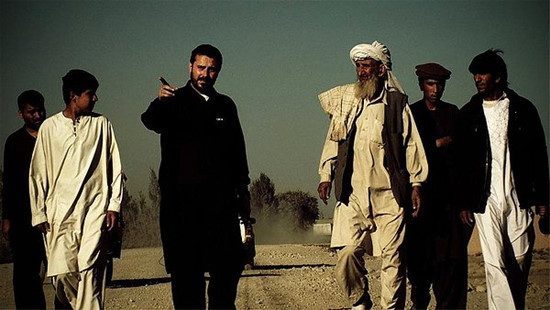
dirtywars01 What is told in Oscar-nominated documentary “Dirty Wars” is not so surprising or shocking to you if you have paid attention to how far the US government has gone during its War on Terror since 9/11, but what it shows to us still feels alarming to say the least. The vicious cycle of violence and hostility in this war is being continued as before, and the US government is always to ready to eliminate their targets by any means necessary, and, to make the matters worse, the scale of the war keeps being expanded on the global scale with more targets to be killed – and no end in sight.

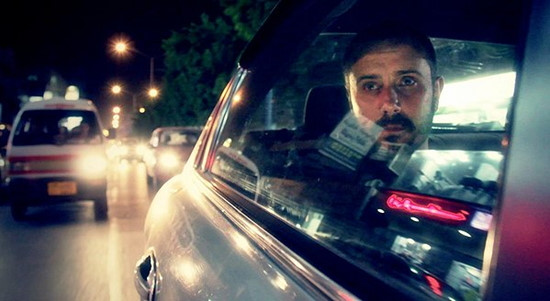
The documentary tells its story through Jeremy Scahill, the National Security Correspondent for the Nation magazine who actively reported on the Iraq invasion in 2003 and also went to many volatile places around the world for his investigative reporting. He is widely known for his 2008 book “Blackwater: The Rise of the World’s Most Powerful Mercenary Army”, which exposed the dark sides of that infamous military contracting firm, and he recently published “Dirty Wars: The World Is a Battlefield”, which the documentary is based on.

The film follows his investigation journey which hops around Afghanistan, Yemen, Somalia, and US, and it shows how America’s War on Terror has been only getting worse and worse through several notable cases as its examples. In case of a disastrous raid which happened in a village outside Gardez, Afghanistan in 2010, five civilians including two pregnant women in the target house were killed just because of wrong information, and the tragic irony of this incident is that the owner of the house, who was one of the dead people, was not a Taliban member but was actually a police authority who had closely collaborated with the US military several times.

dirtywars02 Scahill went to the village although it was located in one of the unsafe areas in Afghanistan, and he met the victims’ family members, who rightfully express their anger and bitterness over this terrible incident during the interviews. We later see a video footage showing the jolly family celebration party at the house several hours before the raid, and it is chilling to know that some of these ordinary people shown in the video would be dead within hours.

The identity of the American soldiers who attacked the house during that raid had remained hidden for a while, but Scahill got several important pieces of information through his sources, and he found that they belonged to the elite military unit named Joint Special Operation Command(JSOC). Their existence had been classified information since its foundation around the 1980s, but then everyone came to know about JSOC after its successful operation of killing Osama bin Laden in 2011 May. A small irony in the story is that, after so many attempts to inhibit Scahill’s investigation on JSOC and its questionable activities, the US government gladly recognized JSOC in public after that risky military operation was finished with a big success to boast about.

While Osama bin Laden’s death might bring the sense of closure to American people, the war initiated by the Bush administration after 9/11 has been continued under the Obama administration with more controversies and criticisms, while corrupting the ideals America is supposed to stand for. Drone attacks become usual news along with consequential collateral damages, and there is always another list of targets to be eliminated. and the US government is willing to put more resource on War on Terror even after bin Laden’s death. They even outsource Somail warlords who once fought against US, and these warlords have no problem with that(“America knows war. They are war masters.”).

dirtywars05 The documentary works best when it plainly observes the damages inflicted on people. In Yemen, at least 41 innocent people were killed by a missile attack in 2009, and a local journalist who reported on this incident was promptly arrested and then imprisoned for a while by the Yemeni government just because the US government wanted to suppress him for not drawing the attention of the media to this terrible incident. The remnants of missiles are still left on the bombing site as the undeniable evidence of the involvement of US government, and we also hear about how horrible the attack was while the pictures of dead bodies taken during that time are shown to us.

In case of Anwar al-Awlaki, who became America’s No.1 target after bin Laden’s death while he was hiding around in Yemen, the US government went to a darker side as labelling him as a major assassination target despite his American citizenship. You may not feel that sorry about this former moderate Muslim priest who was turned into a prominent radical cheering for terrorism, but there is a darkly ironic aspect in his death by drone attack in September 2011. As shown in the series of video footage showing his transformation over several years, he was driven to radicalism because of the US military policy after 9/11, and then he became an enemy exactly as predicted and wanted, and then he was killed eventually as expected. Not long after his death, his 16-year-old son who came to see his father around that point was also killed by another drone attack, and the US government said he was not their target. I assume that is true, but I cannot help think of those tyrants in the past who killed not only their opponents but also their sons just for preventing any possible dangers in the future.

In the end, I did not learn a lot from “Dirty Wars” while confirmed of what I have heard from the media, but it gave me a little clearer picture, and it is a well-made one though it tries a little too hard to look slick and entertaining for drawing our attention. Jeremy Scahill, who also participated in its production, is convincing and engaging as its narrator hero, and the big picture drawn through his persistent investigation is already involving and disturbing enough to hold our attention, and we come to ask the same question asked by him at one point: “How does a war like this ever end?”

dirtywars04

Posted in Movies | Tagged , , | 1 Comment

The Broken Circle Breakdown (2012) ☆☆☆(3/4): Their life can be a nice bluegrass song

brokencirclebreakdown03 Although I am not so familiar with country songs or its cousin bluegrass songs, I enjoyed the soundtrack of “The Broken Circle Breakdown”, and I am listening to it while writing this review. Starting with its main song “Will the Circle Be Unbroken”, the movie decorates its melodramatic story with many other good songs, and the various emotions ranging from joy and happiness to sorrow and bitterness are whirled around them in its soulful mix of life and music.

An interesting thing about the movie is that its background is not America but the Flemish areas of Belgium. It feels a bit odd at first when you see the American bluegrass music mingled with the Flemish background, but this mix somehow feels natural as we are watching its main characters’ performances, and, considering their flawless delivery of American lyrics, I think they can perform well in US without any problem.

And their tumultuous life story can inspire at least one decent bluegrass song to be sung. It was a love at first sight when they came across each other, and they passionately threw themselves into love and music. They experienced bliss and happiness while they lived together, but then they were struck by a sudden tragedy, and then they hurted each other while struggling with resulting grief and sadness. More sadness along with bitter regret hangs over them in the end, and music naturally comes as a tool for expressing how they feel.

The movie looks here and there around their life story in its non-linear narrative, and we gradually get to know about them step by step. When bluegrass banjoist Didier Bontinck(Johan Heldenbergh) happens to meet tattoo artist Elise Vandevelde(Veerle Baetens) during his visit to her tattoo shop, they are quickly drawn to each other, and then, after many moments of their heedless passion, Elise announces to Didier that she is pregnant. Didier, a care-free musician who has never imagined of a settled life, is not very pleased about this news at first, but he eventually changes his mind, and they become a happy family with their young daughter Maybelle(Nell Cattrysse).

brokencirclebreakdown01But, as already shown around the beginning, their happiness is unfortunately broken by Maybelle’s severe leukemia several years later. She eventually dies, and that puts lots of strains on Didier and Elise’s relationship as they try to deal with their pain and grief in different ways. As an idealistic atheist, Didier tries to move on while accepting that their daughter is now gone forever, and, as a pragmatic believer, Elise wants to believe their daughter is still with them.

The non-linear narrative structure of the movie feels confusing at times, but the director Felix Van Groeningen, who adapted Johan Heldenbergh and Mieke Dobbels’ stage play with his co-writers Carl Joos and Charlotte Vandermeersch, rolls his movie along the dynamic emotional flow of his main characters. Groeningen and his editor Nico Leunen deftly go back and forth between many contrasting moments surrounding Didier and Elise, and the resulting mix is a striking and dazzling clash/harmony of emotions. The cinematographer Ruben Impens fills the individual scenes with distinctive atmospheres, and Bjorn Eriksson’s score in bluegrass style is nicely mixed with songs to reflect the mood and feelings on the screen.

Johan Heldenbergh, who wrote the stage play and also performed in the play, and Veerle Baetens are effective as the emotional anchor to hold our attention as two different people attracted to each other for their differences and then estranged from each other for the same reasons. While they are constantly convincing amidst the different modes of their characters, Heldenbergh and Baetens are also good singers who ably express the feelings behind their music performance scenes, and they are especially poignant to watch when they sing “If I needed you” together on the stage. It initially looks like a mere performance, but we come to feel something going on between them, and Baetens, who received several awards including Best Actress award at the European Film Awards for this film, shines while matched well by the sense of slow-burning inside Heldenbergh’s performance.

brokencirclebreakdown05 Heldenbergh and Baetens occupy the center throughout the film, but young actor Nell Cattrysse holds her small place well among her adult co-actors; her hospital scenes are handled with sensitivity and care, and it never feels like overwrought tear-jerking moments. The actors playing Didier’s band members are usually placed in the background, but they are colorful additions to the story none the less, and there is a small but warm feel-good scene in which they wholeheartedly welcome Maybelle after she returns to her home with her parents.

“The Broken Circle Breakdown” was recently Oscar-nominated for Best Foreign Language Film, and, though I think it is a good film as many people said, I do not think it is the best one in the bunch compared to its fellow nominees including “The Great Beauty”(2013) and “The Hunt”(2012). Its criticism on a certain American policy on clinical research around 2005 feels too blatant and unnecessary, and I particularly have a mixed feeling about an emotional outburst on the stage during its second half; even though you can clearly feel the pain and anger from the character exploding with an angry diatribe against God and belief, this jarring moment does not work well with other parts of the film while almost ruining the narrative flow.

Nevertheless, “The Broken Circle Breakdown” still remains as a sincere and touching movie equipped with good performances and excellent soundtrack. I think that aspect will appeal to many Academy members despite its notable weak points, and it will probably win an Oscar in the upcoming ceremony in March. Like many good country songs, it tries to tell us a bittersweet life story of love and heartache, and, as far as I can see, it sings fairly well.

brokencirclebreakdown06

Posted in Movies | Tagged , , , | Leave a comment

Short Term 12 (2013) ☆☆☆1/2(3.5/4) : Heartbreaking but ultimately hopeful

shortterm12-02  My late friend Roger Ebert once said that movies are the most powerful aid to empathy of all the arts, and “Short Term 12”, one of the small gems of 2013, is a model example of that. As hanging around its young, damaged people, the movie goes deep into them as immersing us into their reality, and it is sometimes difficult to watch because of the emotion intensity generated from their hard situations. While it ultimately feels hopeful in the end, the movie never resorts to mawkish sentimentality as maintaining the emotional truthfulness to its human characters, and we come to find ourselves in deep sympathy with them while hoping for the best.

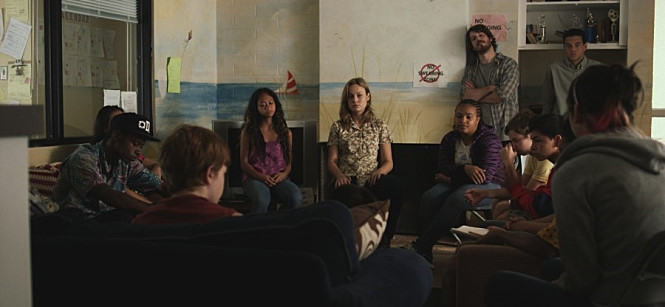
Its story mainly revolves around Grace(Brie Larson), a young supervisor of one of those foster care facilities which temporarily shelter troubled adolescent kids with nowhere to stay(the title of the movie refers to the name of the facility in the movie). As shown from the opening scene, every day at the facility brings troubles to be handled to her and her co-workers including her long-time boyfriend Mason(John Gallagher Jr.), and the movie observes how professionally Grace and Mason handle their charges. The kids in the facility, who are brought there for each own problem, can suddenly be aggressive or violent just for some trivial things, and it is Grace and Mason’s main job to take care of resulting troubles with considerable caution and tactfulness.

This is a difficult and exhausting work, but Grace and Mason are experienced workers who do really care about the kids in their facility. They may be jaded enough to laugh about their difficult work experiences in the past, but they are not cynical at all, and we also come to know about why Grace and Mason are so natural at approaching to their troubled teenagers. While Mason was once an angry, confused child under foster care, Grace was a victim of parental abuse, and that makes her particularly close to kids still feeling wounded by their memories of abuse in spite of the relatively safer environment provided by her and her co-workers.

shortterm12  When she sees Jayden(Kaitlyn Dever) on her first day at the facility, Grace instantly senses that this hostile teenager girl is struggling with some serious emotional problem, though she is told by her direct boss that Jayden is merely a minor case. She later comes to learn that Jayden has been an abuse victim just like she was, but, to her frustration, there is almost nothing she can do in her position for this troubled girl except providing a temporary shelter.

The circumstance becomes more intense and dramatic as Grace is thrown into a more stressful state due to her own personal problems including unexpected pregnancy, but the movie always holds itself even during its most volatile moments, and the director/writer Destin Cretton, who developed the movie from his previous short film with the same name, brings a considerable amount of realistic details to his film. Through its documentary-like ambience mainly established through its handheld camera approach, we get the vivid feeling of observing the daily life of its characters, and they come to us as real people coping with real problems while the camera closely captures several intense moments amid their jarring interactions.

One of such scenes is involved with a boy named Marcus(Keith Stanfield), who is soon going to be 18 and will have to leave the facility according to the law. He looks moody and sullen at first, but we gradually see a vulnerable damaged kid inside his hardened appearance, and I was at a loss during the scene in which he expresses the pains from his unhappy childhood memories through his plain but harrowing rap song. Mason’s following response may be too simple to you, but, seriously, what else can possibly you say to this unhappy boy, who already saw and experienced too much even when he was very young?

And then there is also a quiet but devastating scene when Jayden indirectly reveals to Grace what she has endured. On the surface, Jayden merely tells her fairy tale, but it is a sad, cruel story reflecting something far more awful, and we can only imagine how much this girl suffered from that while mired in that hopeless desperation observed from many young abuse victims like her.

shortterm12-04  Performances are crucial in the realistic depiction in the movie, and Cretton draws nice nuanced performance from his good cast. I recently started to notice Brie Larson through her notable supporting turns in “Don Jon”(2013) and “The Spectacular Now”(2013), and this talented actress is terrific here as a young woman as emotionally problematic as the kids she cares about. Grace and Mason love each other, but her emotional scars still prevent herself from being more opened to him, and Larson is especially good when Grace and Mason’s relationship reaches at the most frustrating point. Grace desperately wants to let out her complicated emotions being churned inside her right now, but she knows she can’t, and her agonizing emotional state is clearly conveyed to us thanks to Larson’s performance.

The other actors surrounding Larson also seamlessly put themselves into their respective characters. John Gallagher Jr., who has recently been known as one of the main cast members in TV series “The Newsroom”, is warm and likable as a good man who did learn a lot from a precious piece of goodness bestowed upon him, and he smoothly moves between humor and drama with his unaffected chemistry with Larson. Rami Malek is a new employee who feels pretty awkward during his first days as expected, and Frantz Turner is Grace’s pragmatic boss, and Stephanie Beatriz, who is currently stealing the show as one of the comic characters in TV sitcom series “Brooklyn Nine-Nine”, shows a surprisingly serious side through her small supporting role. Young supporting actors including Keith Stanfield and Kaitlyn Dever are also believable as the kids in the foster care facility, and the sense of small, fragile community is palpable among them when they are together in the room.

Although it was released at US theaters with lots of critical acclaims in late August of 2013, “Short Term 12” was quickly forgotten even before the end of the year, and that is really a shame considering how powerful this overlooked film is. This is a rare movie observing its young characters with remarkable honesty, and, though it is tough to watch at times for its raw emotions,  the movie earns a small hope in the end through its hard emotional journey packed with genuine emotions to touch you in one way or another, and its finale does deserve a hug from us. If you cannot make others happy, then maybe you should try to make others less unhappy at least, shouldn’t you?

shortterm12-03

Posted in Movies | Tagged , | 1 Comment

Museum Hours (2012) ☆☆☆1/2(3.5/4) : Of the Museum and the City

museumhours   I still remember well my exciting two weeks in Chicago in 2010, and many of my sweet memories are involved with its streets, buildings, people, and museums. While going here and there around the Loop and other areas of Chicago for many museums and galleries, I observed and photographed the streets and people whenever they happened to interest me, and those fabulous pictures and other curious artifacts in the Art Institute of Chicago and other museums were also something to be remembered from time to time.

While I was watching Jem Cohen’s “Museum Hours” slowly strolling around Vienna and its famous museum, my mind went back to how much I absorbed from the streets of Chicago – and how much I enjoyed myself at the Art Institute of Chicago. When it is not looking around Vienna, the movie merely looks around the beautiful artworks in the museum with its two main characters, but, as it closely observes the paintings and museum visitors in its immersive meditative mood, we come to look closer at details, and then we also come to look closer at other seemingly trivial things outside the museum as if they were parts of bigger paintings to be appreciated.

At the beginning, we get to know a bit about Johann(Bobby Sommer), a guard who has been working in the Kunsthistorisches Museum in Vienna for years. His job is mostly sitting at one spot in the museum for several hours, but he is not bored at all. According to his narration, he had his share of loud times through various careers when he was young and wild, and now he is happy to have his share of quiet, peaceful time at the museum while looking around all these gorgeous paintings hung on the walls – or the visitors who attentively look at them while never paying attention to him and his co-workers.

museumhours02   He particularly loves the paintings by Flemish renaissance artist Pieter Bruegel the Elder, and, naturally, many of Bruegel’s famous works owned by the museum are shown to us throughout the film. Since I saw it from one of the books I read during my kindergarten years, “The Tower of Babel’ has been remembered well at the corner of my brain along with other famous paintings from the Renaissance era, and I especially like the moment when a guide points out a small naughty detail inside this painting. It is just a tiny figure, but it may make you smile for its naughtiness when you look at it closer.

As watching other Bruegel’s paintings, I realized again that they are always compelling and interesting to watch due to their distinctively detailed aspects. There are many notable things happening here and there in “The Peasant Wedding”, and the same thing can be said about “The Procession to Calvary”, which was the main subject of another nice art film “The Mill and The Cross”(2011). While Jesus Christ carrying his cross may look like the official center of this painting, he and other biblical figures are surrounded by so many other vivid figures and details that it is sometime hard to notice him when you look at this painting at first, and you will probably come to wonder about Bruegel’s intention as admiring his artistry.

In case of “Conversion of Paul”, a horse’s buttock is amusingly at the center of its composition, and the guide says that a small boy wearing armor besides the tree may be the real point of the picture. Considering the politically oppressive mood in Flanders during Bruegel’s era, such an understatement bushed by bountiful details might have been a wry way of artistic expression of his thoughts and feelings.

Meanwhile, a stranger comes into Johann’s quiet life. She is a Canadian woman named Anne(Mary Margaret O’Hara), and she comes to Vienna because of her dying cousin whom she never met again after their childhood years. She has nothing to do except visiting her cousin in comatose state at the hospital, so she frequently comes to spend most of her time at the Kunsthistorisches Museum, and that is how she comes to be noticed by Johann.

museumhours04   After he kindly helps her when she is having some difficulty with a map due to language barrier, they become a little friendly to each other under his tentative approach, and then they come to spend more time together while walking around the streets of Vienna. The movie wisely does not overplay the intimacy growing between them; they just happen to be lonely strangers drawn to each other, and they certainly feel good to be in each other’s company even though their time is probably limited.

Johann takes Anne to several places including an underground lake outside the city. He slowly begins to notice small things in his city like he did while observing the paintings and people in the museum, and now the city looks different to him more than before. Anne also enjoys many sights around the city while learning a number of interesting things in the city from Johann, and there is a good scene in which she enthusiastically describes about when she happened to see a flock of pigeons gathering on the bank of a river.

I only heard that the director Jem Cohen is a established filmmaker who made several feature films along with many short documentary films, but I can say that he is very good at capturing the mood of different places, and the movie is a mesmerizing work filled with details to be appreciated. I immensely enjoyed those beautiful paintings shown in the film while learning a little more about them, so I gladly listened to a long scene devoted to a part of guide tour at the museum, and I also looked at many small and big things in the city with considerable interest. Yes, the movie does feel like a tourism flick at times, but it is a very good one worthwhile to be revisited someday.

museumhours06

Posted in Movies | Tagged | Leave a comment

Life Itself (2014) ☆☆☆1/2(3.5/4) : You certainly lived it fully, Roger

lifeitself01 As one of the most influential film critics of our time, late Roger Ebert surely had an interesting life to be told, and Steve James’ documentary “Life Itself”, which is based on his memoir published in late 2011, is as good as expected, if not better than we wished for. Looking around his illustrious life and career with honesty and sincerity, the documentary is a touching tribute to Ebert and his life, and we come to want more in the end while also missing him more.

The documentary provides a fair amount of information and stories about his life and career. He grew up as only child of his parents in Urbana-Champaign, Illinois, and, as told by his friends in their interviews, he already showed his immense talent as a writer during his time as the editor-in-chief of the Daily Illini, the independent student newspaper in the University of Illinois. He was surely someone to be remembered because of his brash and confident attitude, and there is an interesting story is about when he tried to stop the press machine as soon as he found a small but possibly disturbing error on the newspaper print for November 23th, 1963, the day after President Kennedy was assassinated. Although it was too late to stop the whole process, Ebert stood by his strong moral sense of right and wrong, so he prevented the delivery instead while ready to take the full responsibility for that.

He happened to be the movie critic of the Chicago Sun-times in 1967 not long after he started to work there, and he quickly rose through his clear, direct prose filled with insights and intelligence. Some of his best reviews are quoted along with the scenes from several great films he loved and admired, and you can clearly see his ability to explain effortlessly what exactly they are and how good they are; it is no wonder that he came to win the Pulitzer prize in 1974. My only complaint is that the documentary does not show how he could mercilessly roast bad films while maintaining not only intelligence but also a great sense of humor; quoting his displeased but thoughtful review on “Blue Velvet”(1986) or his ruthless and furious writing on “North”(1994) could have been a big fun, you know.

lifeitself07 His wild days at Chicago during the 1960-70s were described well with admirable frankness by Ebert himself, but his friends John McHugh and Bruce Elliot give amusing alternative perspectives to his days of booze and rose at the bars in Chicago. Ebert was wilder than I imagined during that era, and he had “the worst taste in women of any men I’ve ever known”, and, yes, he also wrote the screenplay for Russ Meyer’s immortal trash film “Beyond the Valley of the Dolls”(1970), which I belatedly watched after his death and made me want to ask him, “Roger, how the hell did you happen to write such an outrageous trash flick?”

As he openly admitted during his later years, he was an alcoholic, and the documentary briefly touches on his struggle with alcoholism. Thanks to AA meeting, he stopped drinking around the late 1970s and he also met the great love of his life who would eventually become his wife. Contrary to Ebert’s description of how he met her at a restaurant right after AA meeting, his widow Chaz Ebert said during her interview that they met each other at an AA meeting, but we can say that does not change the fact that AA meeting saved his life and led him to his wife.

As it rightfully should, the documentary also focuses on his long friendship with Gene Siskel, who was his great match/partner in their legendary TV program “Siskel & Ebert”. From the day Siskel began to work in the Chicago Tribune, the main competitor of the Chicago Sun-times, they literally became professional enemies, but, after long years of their intense matches on TV which always held the attention of viewers, they came to recognize and admire each other greatly in the end. Sure, they fought like hell whenever they disagreed with each other, but they were inseparable from each other like close brothers, and there was an amusing episode about Siskel being excited about the end of Ebert’s bachelorship; while he was naturally happy to see his partner get married, he was also very glad to see that their partnership would be more solidified because of the marriage: “He’s married! He’s bought a house! He’s got a mortgage! He’s got to buy things for his house! There’s no leaving now!”

While “Siskel & Ebert” put them onto the pinnacle of American film criticism, there were many criticisms against their show, and the critics Jonathan Rosenbaum and Richard Corliss, who knew and admired Ebert a lot like many other American critics, give their negative opinions while the filmmakers including Gregory Nava, Errol Morris, and Ramin Bahrani give their positive ones. Although it can be said that Ebert and Siskel just gave thumbs-up or thumbs-down to movies during their show while not going deep into them, but it is undeniable that they were intelligent critics who could succinctly introduce and talk about movies to be discussed, and we should not forget that their show opened the door to the mainstream for many small films deserving to be watched and cherished. For instance, the director Steve James’ great documentary “Hoop Dreams”(1994) was immensely supported by Ebert and Siskel right after it was watched by them before its first screening at the Sundance Film Festival, and the following steady support from Siskel and Ebert, who chose it as the best film of 1994, was crucial in promoting this remarkable documentary which has been regarded as one of the best documentary films of all time.

siskel Siskel’s untimely death in 1999 put a sad ending to their friendship, and the fact that Siskel hid his terminal brain cancer from his dear friend hurt Ebert a lot. Ebert continued the show with his new partner Richard Roeper, but he soon found himself battling with his own cancer problem, and, unlike Siskel, he openly spoke about his illness. Even after he lost his ability to speak due to the unfortunate post-surgery incident in 2006 which could have killed him, he kept moving on in his career as before, and he also became active on communicating with his readers through social media tools.

The documentary ultimately revolves around the last months of his life as its narrative center, and it is poignant to watch at times. It was around 2012 December when I first heard about Ebert having another health problem, and then I heard later from others that he was going through a difficult rehabilitation process due to a tiny bone fracture. Early in the next year, I came to learn that his cancer had returned, and, not long after he announced on his blog that he would step back a bit in his work due to his cancer treatment, he died on April 4th, 2013.

While fully supporting the production of the documentary, Ebert and his loving wife Chaz willingly showed themselves on full disclosure mode in front of the camera, and we see some of their hard moments during that period. Though he could not speak, we see his pain through his eyes during the routine suction process at the hospital, and we also see how difficult it was for him to go through rehabilitation sessions. When I met him for the last time in 2010, he could walk for himself while looking well, but he was in a far weaker state in 2013 as shown in the documentary, and it was sad and heartbreaking to see him depending on a walker at one point.

Roger Ebert, Chaz Ebert, Raven Evans Nevertheless, his face never lost that gentle smile even though he knew well that his time was short. He correctly saw that he would not live long enough to see the completion of the documentary, but he tried to keep going on as much as he could while still being Roger I knew. When I saw the scene showing him and Chaz arguing over whether he should climb the stair for himself or not, my mind went back to how stubbornly Roger argued with her when he found that he could not take me to the sneak preview of “Robin Hood”(2010). They were quite honest about their feelings and thoughts even in front of a young guy from South Korea, and I was not surprised to see how frank they are about themselves in front of the camera – that is why I remember them one of the loveliest couples as I have ever met.

And Ebert’s spirit and professionalism never went down. He wrote reviews whenever he could(we see him beginning the first paragraph of his review for Michael Apted’s documentary “56 Up”(2012)), and he also helped me and other Far-flung correspondent writers a lot as he did before. I still remain grateful to him for many things including his constant encouragement and support, and I could not help but feel very sad as watching the scene which shows the final online exchanges between him and James. It goes well at first, but it is slowly deteriorated day by day, and then it is eventually terminated with one sad, short final comment from Ebert: “i can’t”

“Life Itself”, which was shown for the first time at the Sundance Film Festival on January 19th, was also shown at the same time through the exclusive streaming service for the other audiences including me. Although its 2-hour running time is definitely not enough for a man still left with so many aspects and stories to tell, the documentary is a moving summary of Ebert’s life and career, and you will be touched by that regardless of how much you knew about him. You certainly lived it fully, Roger, and here’s my big thumbs-up to your life and this documentary.

lifeitself06

Posted in Movies | Tagged , , | 3 Comments

The Attack (2012) ☆☆☆1/2(3.5/4) : She suddenly looks different to him

theattack01  With its thought-provoking subject, “The Attack” hits its hero hard while giving no easy answer to his devastated personal circumstance or the political situation surrounding him and his world. After his life is suddenly turned upside down by a woman he has loved and trusted, he desperately wants to know why she did it, but he only comes to realize how much he did not know about her – and his ambiguous position within a political conflict still being continued even at this point.

He is Dr. Amin Jaafari(Ali Suliman), a successful Palestinian doctor who has been enjoying his rising career at a hospital in Tel Aviv, Israel. Around the beginning, we see him receiving some prestigious award at the ceremony attended by many of his Israeli colleagues, and he is happy to give his acceptance speech for showing his gratitude and emphasizing the possibility of more opened relationship between Israel and Palestine in the future.

But then, he is tumbled into a nightmarish situation beyond his imagination. On the next day, he and others at the hospital hear the sound of a bomb explosion from somewhere, and the ambulances soon arrive with the wounded in the urgent need of treatment. Not long after he returns to his home after this difficult day, he is called to the hospital again, and the police show him the heavily damaged body of his dear wife Siham(Reymond Amsalem), who was supposed to be outside the city as far as he knows. To make the matters worse, there are strong evidences suggesting that she was the suicide bomber who committed that horrible terror, and the detectives are naturally suspicious of him.

The movie calmly observes Jaafari’s agonizing plight while never losing its focus on the atrocious aspects of suicide bombing. While it is pretty senseless for anyone to blow himself up, it is also pretty terrible to hurt and kill innocent people just for some political or ideological reasons, and the movie chillingly emphasizes that point through the sights of wounded people and a brief flashback scene showing a group of children who were unfortunately at the site right before the explosion.

theattack05 While helplessly watching his exemplary life being crumbled by this bombing incident, Jaafari goes through a difficult time to process his wife’s hidden side he never knew before. At first, he stubbornly refuses to believe that Siham is a terrorist, but it eventually becomes inarguable that she did commit that heinous terror, and now he agonizes over how she was driven to such a radical act like that. As pointed out at one point in the film, most female Palestine suicide bombers, who usually get more publicity than their male counterpart, are pushed by their hopeless social status, but Siham does not fit into that profile as an educated middle-class woman who is also a secular non-Muslim, and that certainly baffles her husband as well as the detectives who treat him rather roughly during their initial investigation.

The movie shifts itself onto a thriller mode after Jaafari decides to get the answer for himself, and we come to see the complex aspects inside the Palestinian-Israeli conflict through Jaafari’s view as he searches for the answer in his hometown in the Palestinian territory, where she went right before her bombing. While his relatives are glad to see him again after a long time, they know almost nothing about her motive although she did meet some of them, and Jaafari finds himself being regarded as an unwelcomed stranger mainly because it is quite possible that he is being followed by the Israeli police.

While there are several tense moments of pursuits and following encounters during its second half, the movie remains as a character drama about personal grief, anger, and sorrow in the aftermath of an awful tragedy, and it goes deeper into the personal level with its angry confused hero. As his mind is frequently haunted by his memories with Siham, Jafaari realizes how much he overlooked her while occupied with his career, and his last memory with Siham generates more regrets on him. He casually ignored her call at that time because he was about to receive the award, and he comes to wonder whether it was her last desperate attempt to hold onto him before going over the point of no return.

theattack04 Based on the novel by Yasmina Khadra, the director Ziad Doueiri, who adapted the novel with Joelle Touma, keeps the movie on a well-balanced position as observing the both sides of the conflict without any favor or judgment. While Jaafari’s close Israeli friends including Kim(Evgenia Dodena) are sympathetic to his difficult circumstance, Kim eventually asks him which side he is on – but she has a good point on Siham’s innocent victims who do deserve justice. While the movie seems to be disgusted as much as Jaafari by Siham being praised as a martyr in Palestine, it does not overlook many current injustices inflicted on its people, which were probably the main reason why she was secretly turned into a terrorist.

The movie is an engaging story on the whole, but it is not without notable flaws. Some of the characters are rather thin compared to the complexity surrounding them, and it is virtually written on the screen that a certain minor character will be important in the later plot development, right from when he appears on the screen. It is rather unconvincing to me that it takes that long for Jaafari to connect the dots given to him, but I must also point out that his next encounter with that character in question generates one of the most emotional moments in the film.

Like many good films about the Palestinian-Israeli conflict, “The Attack” is a smart, thoughtful film which lets us think over its hot issues through its powerful drama. Ali Suliman, who previously appeared in Oscar-nominated film “Paradise Now”(2005), is solid as a grieving man trying to grasp for the answer beyond his reach, and Reymond Amsalem hovers over the story even though she mostly appears in the flashback scenes. As poignantly shown during the final scene, Jaafari’s love toward his wife remains same as before, but she looks different to him now – and so does his world where he once thought he could live with her without any serious problem.

theattack02

Posted in Movies | Tagged , , | Leave a comment

Only Lovers Left Alive (2013) ☆☆☆1/2(3.5/4) : Deadpan Vampires in Artistic Ennui

onlyloversareleft01 Eternity is a dreadfully boring concept, but Jim Jarmusch’s new film “Only Lovers Left Alive” tickled me with the languid ennui of its vampire characters, and it is definitely a lot more entertaining than those tedious Twilight movies. The life may feel tepid to these gloomy bloodsuckers, but their artistic ennui is sometimes hilarious to watch thanks to Jarmusch’s own deadpan approach, and we willingly let ourselves relax in its slow but tantalizing rhythm while constantly amused by its deadpan vampire characters.

The movie revolves around a vampire couple named Adam(Tom Hiddleston) and Eve(Tilda Swinton). Although it is not so clear about how long they have lived(are they that Adam and Eve, I wonder?), they have lived long enough to get bored with their eternal life while being pretty tired of humanity. They certainly need human blood for their survival, but they do not want to get involved with human beings much, and Adam usually disregard them as ‘zombies’. As a sophisticated guy who knew and interacted with many prominent artists and intellectuals throughout the human history, he keeps lamenting about the cultural decline of human society, and his words and behaviors will probably remind you of those self-absorbed artists whining behind their aloof attitude.

At present, Adam and Even are living separately, and he has been leading a hermit life in some barren neighbourhood in Detroit while anonymously composing music for other artists as he did before(one of the famous recipients in his long past was Franz Schubert, by the way). Despite his considerable contribution to the music industry, he rather wants to remain anonymous as a reclusive, and his only connection to the world outside is his trustful and resourceful manager Ian(Anton Yelchin), who can find anything Adam wants except blood(Adam gets the blood for himself through his occasional night visit to a local hospital).

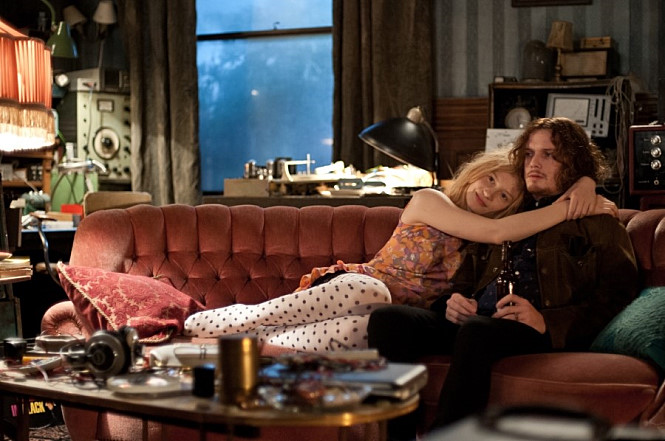
onlyloversareleft04 Maybe because he has been living so long in his cozy cocoon filled with the memories and objects of the past, Adam considers killing himself with a special wooden bullet, though I am not very sure about whether that bullet can really can kill him or not. It may be just another self-indulgent behavior to entertain himself out of boredom, but his lover Eve takes it seriously, so she flies from Tangier, Morocco to see him again.

While the lovers are happy to see each other again, their ennui continues in its slow pace, and they just killing time with each other. This may not sound exciting to you, but the movie is oddly engaging thanks to the director/writer Jim Jarmusch and his two talented lead actors. While deftly tuning their performances to the languid tone of the movie, Tilda Swinton and Tom Hiddleston are compelling to watch even when their characters are mired in their most bored state, and they also nicely capture the humor inside their characters while never winking to us. One of the silliest things in the movie is how Adam and Eve call animals and plants; they use scientific names for them rather than saying their plain names, and I guarantee that you will learn how to call a skunk academically at one point.

Like many works by Jarmusch, the movie mainly depends on the mood and background rather than its plot, and Jarmusch effectively uses the locations in Detroit and Tangier to reflect the languor surrounding the characters. Adam’s shabby lair is decorated with lots of interesting goodies including the electronic guitars from the 1960s and other objects from older times, and there is a wonderful scene in which Eve virtually scans through many books in different languages while filling her suitcases with her books to read.

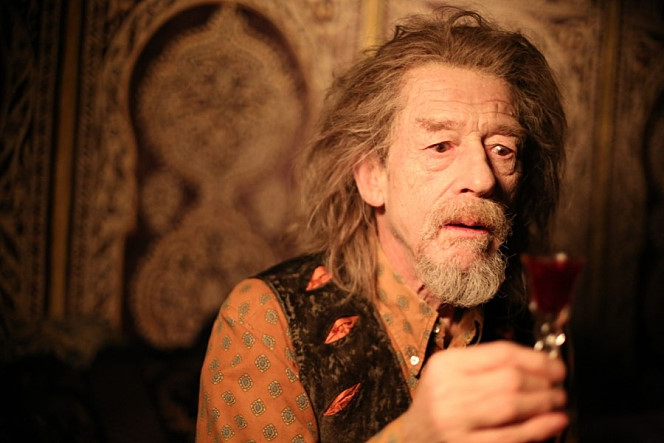
onlyloversareleft05 I also chuckled at many knowing references spread throughout the movie, and some of good ones come from an aging vampire who has been friendly with Eve as a neighbour. John Hurt, who has been always suitable for weary old guy roles, has a droll fun with his character who was probably a certain famous writer in the era of William Shakespeare, and his intimate scenes with Swinton reminded me of how much they looked different in Bong Joon-ho’s recent film “Snowpiercer”(2013).

The movie gets a little more interesting later in the story when the situation becomes a little annoying to Adam and Eve. As notified to them in their dreams, Eve’s sister Ava(Mia Wasikowska) appears in front of them on one day, and she quickly breaks their meandering rhythm of ennui as soon as she enters Adam’s house. Ava is far more active compared to them, and you can easily sense the potential of a trouble when Ian happens to spend some time with them during one night. Ian still has no idea about the true identity of Adam as well as his beautiful ladies, and we all know leaving a guy alone with a vampire girl is pretty much like leaving a cat alone with an opened tuna can.

onlyloversareleft03 Jim Jarmusch’s films were sort of acquired taste to me at first, but some of them somehow found a way of growing on me after watching them. While his previous work “The Limits of Control”(2009) made me frustrated due to its intolerable barebone blandness, I enjoyed his better works including “Broken Flowers”(2005) and “Coffee and Cigarettes”(2003), and “Only Lovers Left Alive” has that enjoyable low-key humor I observed from them. Although his vampire characters in the movie are not very scary(they even have beating heart, by the way), they are as funny as the deadpan characters in Jarmusch’s films, and Swinton, Hiddleston, Wasikowska, and Hurt ably fill the characters with their distinctive presences.

The image of vampires in these days are considerably damaged by Twilight movies, but vampires are still interesting story material to play with, and, like Neil Jordan’s “Byzantium”(2012), “Only Lovers Left Alive” proves that point well with its own humorous style. These vampires are so bored in their ennui that sucking blood feels like a trivial business to them even at their most desperate moment – but they will gladly suck your blood anyway.

onlyloversareleft02

Posted in Movies | Tagged , , | 1 Comment