 “Star Wars: The Force Awakens” attempts to bring the Force back in action, and it did a mostly successful job with its entertaining mix of old and good things. While it does not reach to the groundbreaking level of the original trilogy of the franchise, the movie is one or two steps up from the prequel trilogy which was a mixed bag on the whole, and it confidently places itself in the continuing saga as opening the door to more things to come in the next following years.
Although the Galactic Empire was defeated three decades ago as shown in “Star Wars: Return of the Jedi” (1983), the galaxy of the Star Wars series soon becomes threatened by another force of darkness. After rising from the remnants of the Galactic Empire, the First Order becomes a huge, mighty threat to the whole galaxy, and the Resistance has been struggling against the First Order for years while the situation becomes more desperate for the Resistance and its supporters around the galaxy.
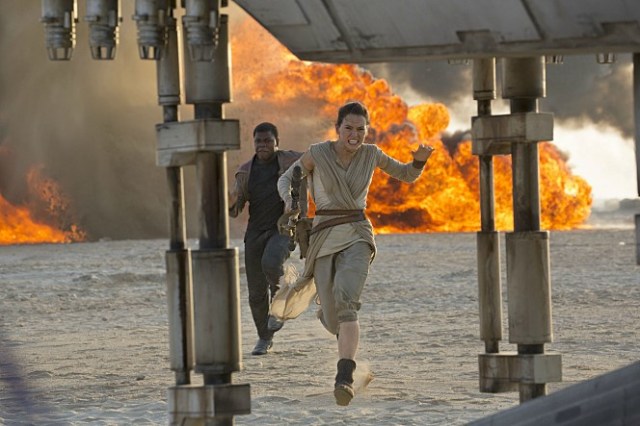
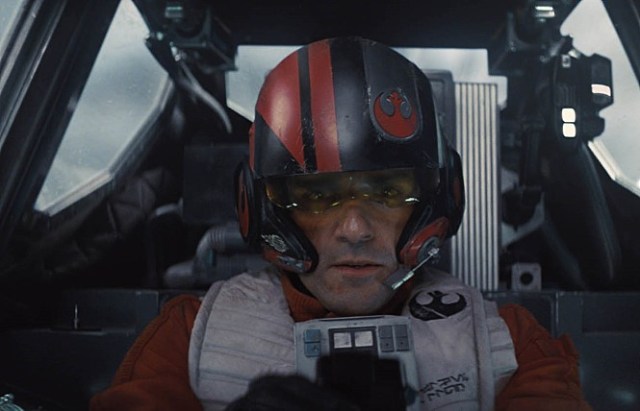
After the opening part in which Max von Sydow appears in a minor supporting role, we are introduced to two new characters who will be at the center of “Star Wars: The Force Awakens” and its two upcoming sequels. Rey (Daisy Ridley) is an orphan lass who has earned her meager living as a metal-scrap scavenger in a barren desert planet called Jakku (imagine Tatooine with only one sun), and, as it happened to Luke Skywalker (Mark Hamill) in “Star Wars: A New Hope” (1977), she accidentally comes across something which is going to change her life forever. It is a BB-8 droid which belongs to a Resistance fighter named Poe Dameron (Oscar Isaac), and what it is currently guarding inside itself must be delivered to the Resistance before the First Order grabs it first.
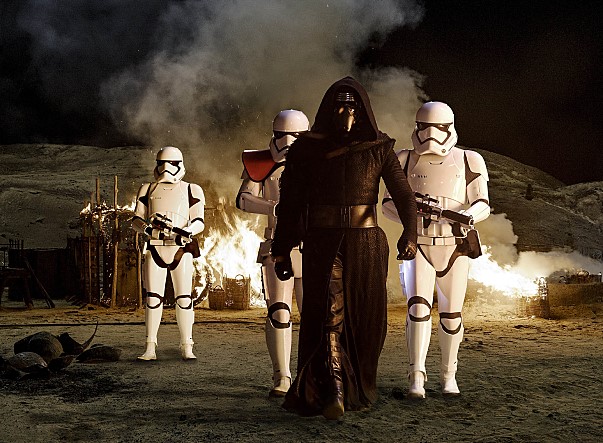 When Dameron was captured by the Stormtroopers and their ruthless warrior commander Kylo Ren (Adam Driver), Kylo Ren ordered his soldiers to massacre innocent people who unfortunately happened to be on the spot, and one of the Stormtroopers became conflicted as watching these brutal killings swiftly carried out by his comrades. After eventually crossing over the line, Finn (John Boyega from “Attack the Block” (2011)) soon finds himself getting involved with Rey, and that is the beginning of their precarious adventure.
The rest of the story feels formulaic to you especially if you are familiar with the previous Star Wars films, but the director J.J. Abrams, who also wrote the screenplay with Lawrence Kasdan and Michael Arndt, keeps the narrative momentum intact as peppering the film with a number of exciting action sequences. The score by John Williams (welcome back, Maestro!) soars as a certain recognizable space vehicle flies high across the screen for another action during one action sequence, and it is thrillingly unfolded around some ruins from the past. While everything usually happens quick and fast during this and other action sequences, J.J. Abrams is a skillful director who knows how to hold our attention amidst lots of bands and crashes, and we are never detached from its infectious sense of fun and adventure.
Abrams also pays considerable attention to many wondrous details evoking that bountiful fantasy aspect of the Star Wars films. We see several different planets with each own environment, and we meet various kinds of alien or robot creatures including Maz Kanata (Lupita Nyong’o), a wise old alien who knows one or two things about the Force although she is not a Jedi. We also meet the characters from the original trilogy including Han Solo (Harrison Ford), Princess Leia (Carrie Fisher), Chewbacca (Peter Mayhew), C3-PO (Anthony Daniels), and R2-D2, and there are also numerous references to the original trilogy, some of which will amuse many Star Wars fans (My favorite is the one associated with that trashy claustrophobic scene in “Star Wars: A New Hope”, by the way).
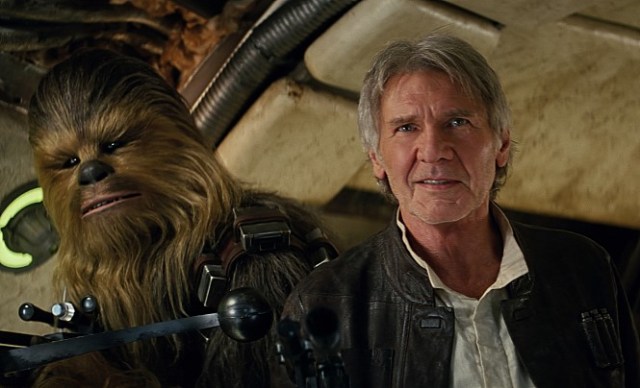 Of course, many of these things are nothing new in these days thanks to not only the immense popularity of the franchise but also the vast advance of special effect technologies, but “Star Wars: The Force Awakens” is imbued with new potentials to intrigue us. While hurling themselves into actions with lightsaber or blaster, Rey and Finn are presented as engaging characters we come to root for, and the changes they respectively go through during their adventure add complexity and diversity to their archetype characters. While Harrison Ford and Carrie Fisher dutifully fill their spots as demanded, Daisy Ridley and John Boyega give strong commendable performances as our heroic characters who are both familiar and fresh in each own distinctive way, and Oscar Issac is also solid as another major new character in the film. Although Chewbacca is as monotonous as before, C-3PO and R2-D2 are welcoming as usual, and I also like BB-8, which rolls around here and there like a big billiard ball as impressing you with its several little surprises (My small question: how can it climb up stairs or mountainous routes, I wonder?).
In case of the villains, they are not as overwhelming as Darth Vader in spite of their super-duper gigantic main station (Another question: is its intergalactic laser blast faster than the speed of light?), but I guess we will see more of their dark side later. Although his face is usually covered by his dark helmet, Adam Driver is more like petulant Anakin Skywalker than Darth Vader, and that seems to be an appropriate acting choice for a character with some serious anger management issue to deal with before further embracing the dark side. As another key figure of the First Order, Domhnall Gleeson virtually chews a grand scene reminiscent of “Triumph of the Will” (1935), and Andy Serkis is an insidious evil master ruling over the First Order. In case of the Stormtroopers in the movie, they remain just the same as the inefficient and expendable time-honored extras of this space opera universe, and I guess it is still so hard to get good help around the galaxy even in these days. I am glad that Finn made a right career choice for him as well as the galaxy.
While it is a pleasure to see how the beloved franchise is energized by new spirit and materials, “Star Wars: The Force Awakens” still stays in the areas we have encountered before, and that is why I have some reservation on the future of the franchise. Sure, the movie is enjoyable, but it is also often predictable in terms of story and characters, and I will not be surprised if the variation of that infamous line in “Star Wars: The Empire Strikes Back” (1980) appears in the next film. I do not deny that the movie is good as much as we expected for a long time, but, folks, I usually prefer a surprise to long expectation as your average seasoned moviegoer.
So, will its imminent box office success possibly lead us to something as special or memorable as what we experienced from the original trilogy? All I can say at present is that we have a new hope sprouted from its old familiar world as it strikes back and we are assured of the return we all have been waiting for. May the force be with whatever follows after this.
 Among a bunch of books on movies I have kept at my family home for years, there is an old movie guidebook I bought in 1996. Some of its contents later turned out to be inaccurate or questionable, but that pulpy guidebook was pretty entertaining to a certain chubby 13-year-old middle school student anyway, and that boy still fondly remembers some of its enjoyable passages although almost 20 years have passed since then.
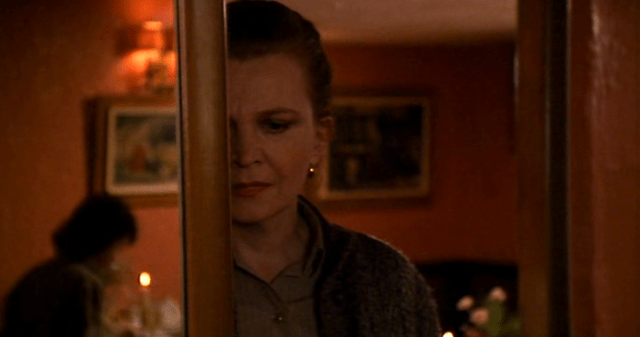
 Rowlands, who recently received a well-deserved Honorary Oscar in this year, plays Marion Post, a New York philosophy professor who is entering her middle age years when we meet her during the prologue scene. Marion is a smart, intelligent, and confident woman at the peak of her academic career, and she briefly describes her life to us as the camera looks around the photos of several people in her life. As the proud daughter of a respected history scholar, she has built her own successful career with considerable reputation, and she is about to write another book to be published. She married her second husband a few years ago, and their married life has been so far stable and comfortable while she maintains a fairly fine relationship with her husband’s teenager daughter from his first marriage. Her attire and appearance are impeccable but never too blatant, and even my mother, who knows well how to look natural and graceful despite being 60, admired how Marion looks while she watched the movie with me a few weeks ago.
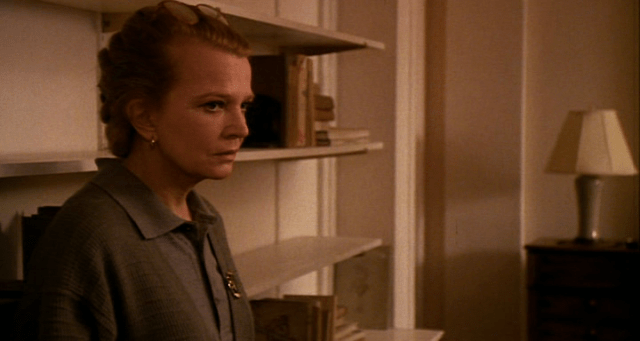 Allen made a simple but exceptional visual choice for the scene in which Marion listens to the voice more attentively than the first time. The movie is a rare case where he uses close-up for dramatic effects, and his cinematographer Sven Nykvist surely knows how to capture the small emotional trembles glimpsed from Rowlands’s wordless face. After all, Nykvist was a frequent collaborator of Ingmar Bergman, and he and Bergman created some of the most memorable close-up shots in the movie history through their collaborations in Bergman’s great films including “Cries and Whispers” (1972).
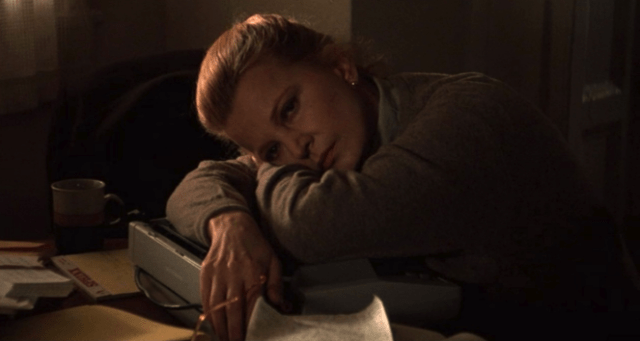 One of the most distinguishable elements in the film is Rowlands’s superb low-key performance, which is quite far from her raw, intense emotional performances in her husband John Cassavetes’s movies. While she is a lot more subdued and guarded here in comparison, Rowlands is absorbing in every tentative step of her character’s emotional journey, and her performance is quietly powerful as conveying to us the internal crisis churning beneath Marion’s frigid façade. The more she opens her eyes to herself, the more she wants to look away, but there is no way back for her once she comes to recognize the cracks inside herself.
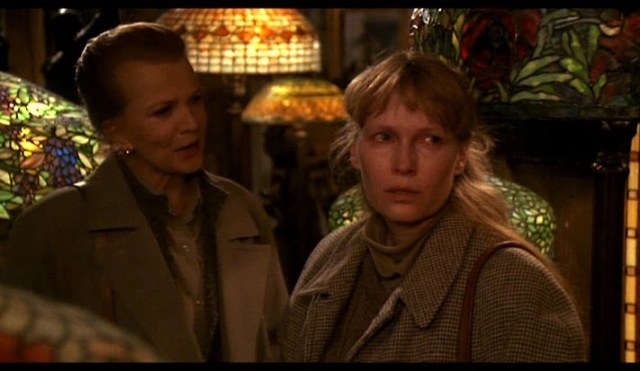 Like other Allen’s films, the movie is packed with various talented performers, and they have each own moment respectively around Rowlands. Mia Farrow, who will always be associated with Allen for better or worse, is effective as a catalyst of Marion’s drama while usually hovering around the screen with her voice, and her full appearance later in the film is aptly accompanied with Gustav Klimt’s certain famous painting. Blythe Danner is one of close friends to Marion and Ken, and Sandy Dennis is Marion’s estranged old friend who is not very pleased to see how her friend is just the same as before. As Ken’s bitter ex-wife, Betty Buckley has a tense moment of social embarrassment when her character unexpectedly drops by her ex-husband’s house, and Ian Holm is excellent when his callous character calmly and coldly handles this awkward situation with banal consideration in front of others including Marion. Philip Bosco is Marion’s first husband who was her mentor during her college years, John Houseman, who died around the time when the movie was released, is Marion’s aging father while David Ogden Stires convincingly plays the younger self of Houseman’s character in a flashback scene, and Gene Hackman, who is surely one of the last actors you can imagine appearing in a Woody Allen film, shows his more tender side as a man who passionately reached to Marion but was ultimately rejected by her because of her fear of emotions.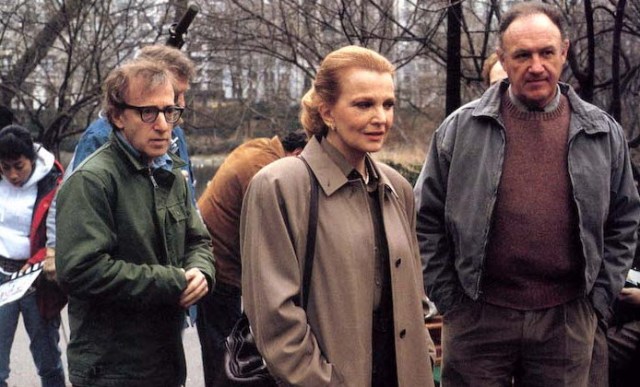
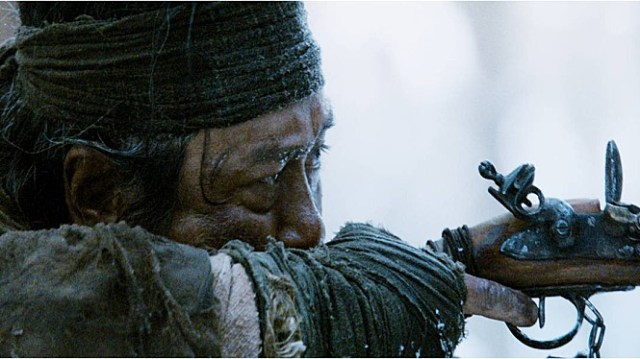 While some of its parts are good enough to interest us, South Korean film “The Tiger: An Old Hunter’s Tale” is ultimately hampered by its incoherent and disjointed plot. At first, it seems to focus on its weary hero and one fearsome creature, but then it strays in the other direction as being occupied with gritty and bloody actions for most of its running time, and then it belatedly changes its direction during the contrived third act coupled with melodramatic moments I did not care much about.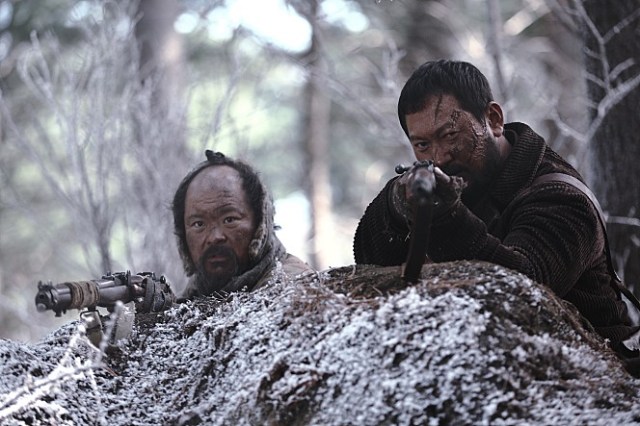
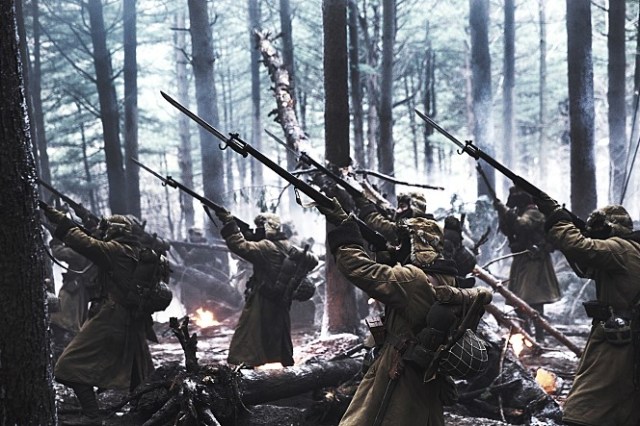 Of course, Man-deok steps forward in the end, but the movie is already exhausted without enough narrative momentum to get us involved in his situation. We also get a flashback sequence which reveals more about the complicated past between Man-deok and the tiger he has respected with some bitterness, but this comes too late, and the bleak, ponderous finale unfolded around one steep rocky peak feels superficial as followed by the sappy epilogue sequence.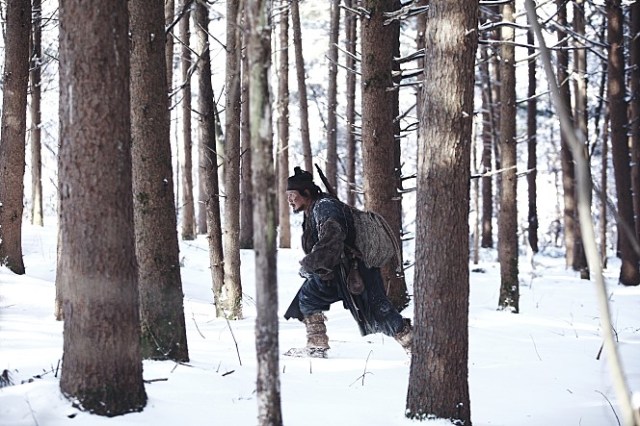

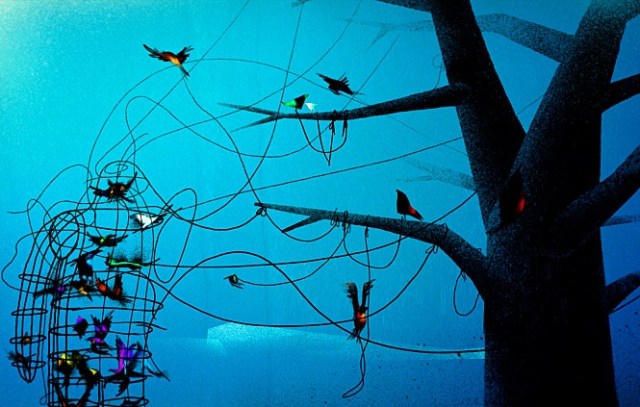 Nina Paley, who previously gave us small precious animation gem “Sita Sings the Blues” (2008), made the following segment, and her cell animation style influenced by traditional shadow puppetry is colorfully unfolded onto the screen as Damien Rice’s song “On Children” is played on the soundtrack. When Mustafa comes into a wedding party as he is being taken to the harbor by his guard and the local police chief, he gives the bride and the groom his sincere blessing, and Joann Sfar presents us a tender scene featuring a young couple dancing together alone at night.
 Compared to such a diverse array of styles and moods, the central part handled by Roger Allers feels rather flat while merely functioning as the frame narrative device for the others parts in the film. Although it is not deficient on the technical levels and there are some comic moments to lighten up the mood for young audiences, its weak plot trudges between the segments, and we often lose our interest as waiting for another segment to come. While Almitra is surely a plucky little girl despite her silence, there is not much surprise in her eventual change through her friendship with Mustafa, and the same thing can be said about a subplot involved with Halim (voiced by John Krasinski), a young soldier who has carried a torch for Kamila.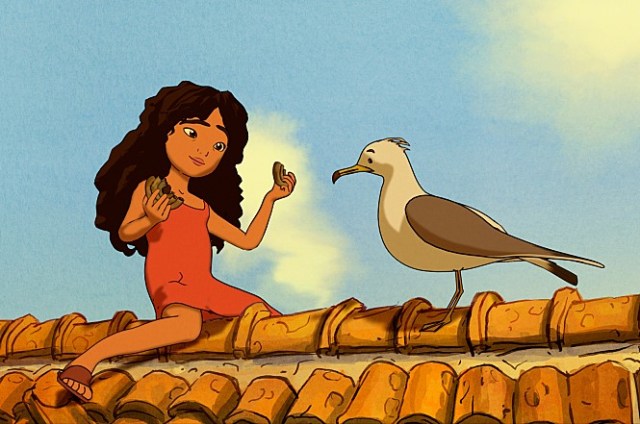
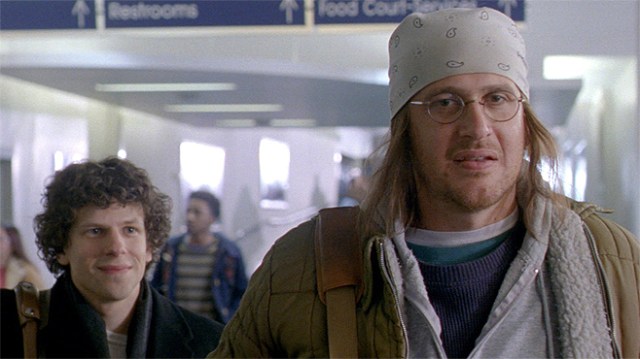 First, I have to admit in advance that I am not very familiar with two real-life authors whose meeting inspired “The End of the Tour”. Although his second novel “Infinite Jest” was cited by Times as one of the 100 best English-language literature novels published during 1923-2005, David Foster Wallace is not known well in South Korean and his magnum opus has not been translated yet here, though I may read that 1079-page novel someday out of curiosity.
 Wallace, who lives alone while teaching a writing class in a nearby college, is visibly reluctant although he courteously greets Lipsky at his house. Segel, who pushes his sad sack persona further into a more serious area, looks mild and gentle at first, but we begin to sense the guarded attitude behind Wallace’s introverted demeanors. He is nervous about the possibility of being misrepresented by Lypski, and becoming a celebrity writer getting more attention than his book is the last thing he wants.
 Mainly focusing on the constantly shifting dynamics between his two lead actors, the director James Ponsoldt, who previously directed “The Spectacular Now” (2013), holds our attention as Marguiles’s screenplay languidly flows from one circumstance to another. There are many long dialogue scenes in the film, and they are handled with spontaneity and intrigue thanks to the engaging performances by Eisenberg and Segel.


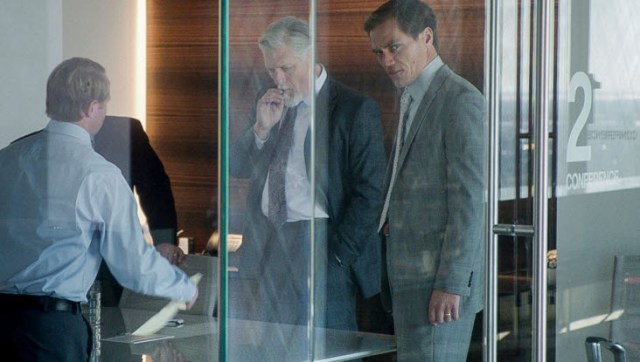
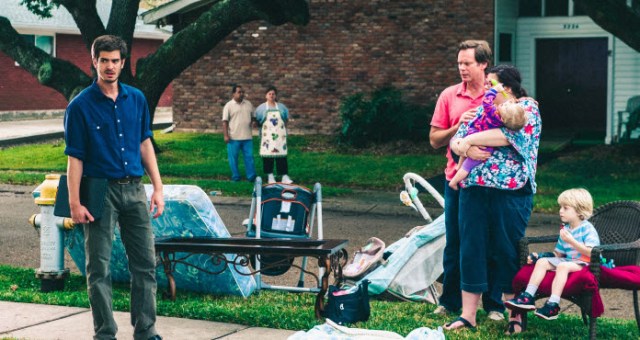
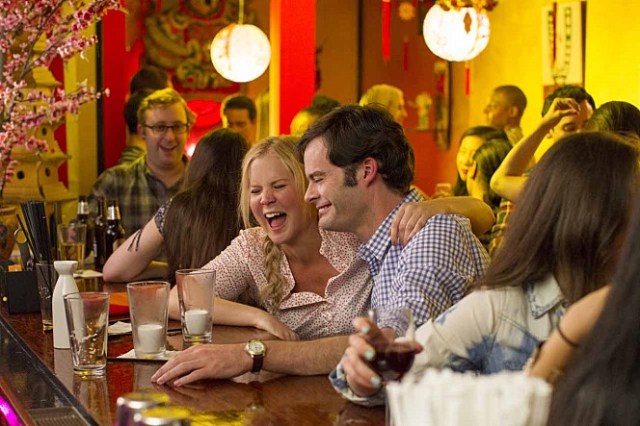 I heard about Amy Schumer for the first time through an online article on her TV show “Inside Amy Schumer”. At that time, she was merely another new comedy actress to notice, but I have kept hearing about her since then. Around the time when Judd Apatow’s “Trainwreck” was released in US during this summer, everyone talked more about Schumer, and I am now confirmed that the movie is indeed a big moment for this lively actress who is never afraid to go wild for laughs.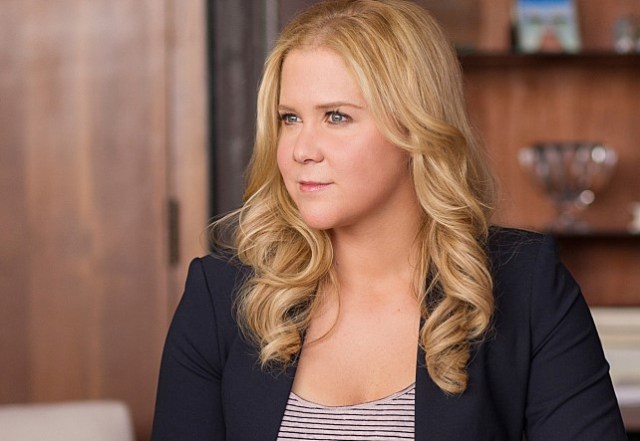
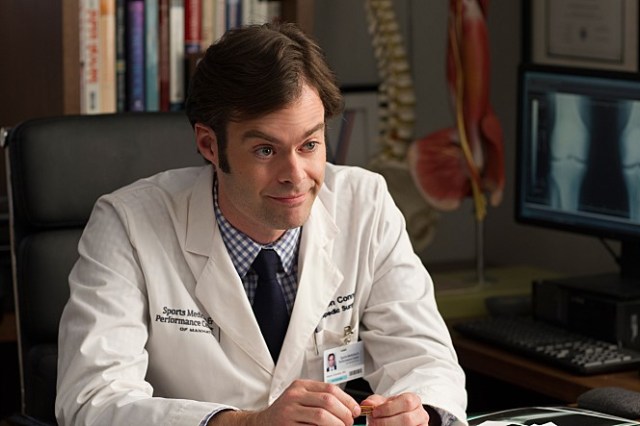
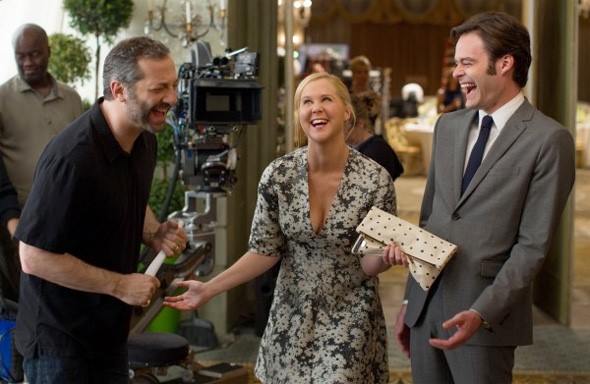
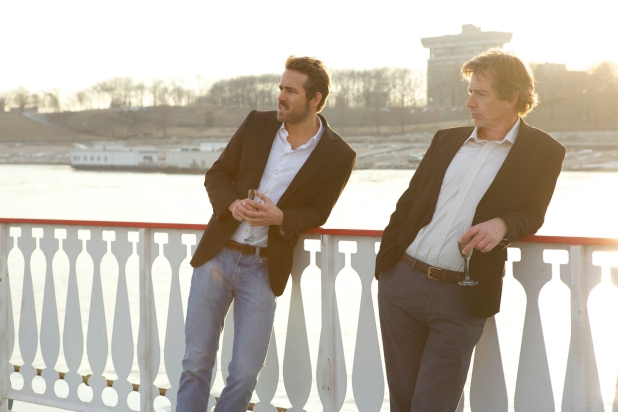
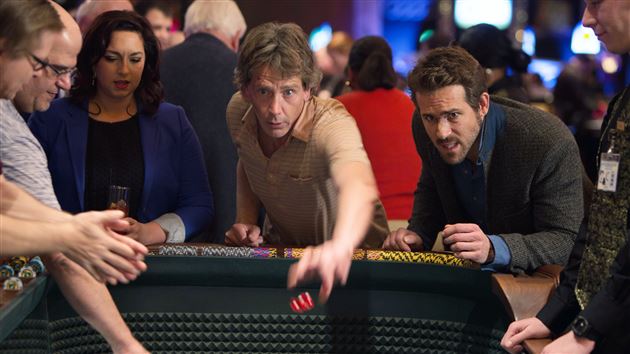 “Mississippi Grind” is a rare thing: a movie driven by characters rather than conventional plot. Free of conventions usually expected from its familiar premise, the movie freely rolls its dices along with its two genuine human characters. While they are different from each other in many ways, they share a common impulse between them, and it is absorbing to watch how the movie takes a chance with these interesting characters who turn out to be more complex than expected at first.
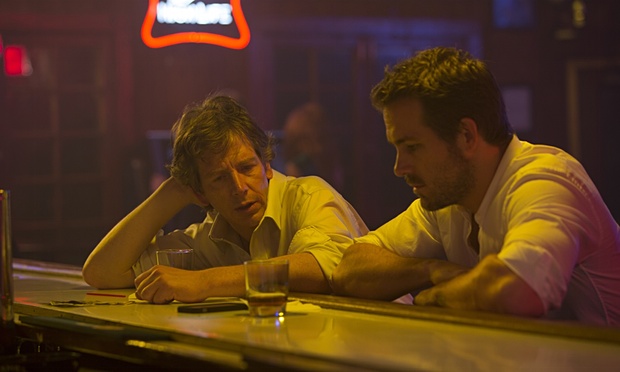 Now this looks like an average road movie, but “Mississippi Grind” often takes unexpected turns to focus more on its two heroes. While Gerry and Curtis stay around St. Louis for trying their luck and getting enough money for next gambles, they spend one night at the place belonging to Curtis’s ex-girlfriend Simone, and Sienna Miller is warm and sensitive as a practical woman who understands Curtis better than him. As they are together in her bedroom, it looks like they are still attracted to each other, and Curtis considers restarting their relationship, but then Simone calmly points out their reality.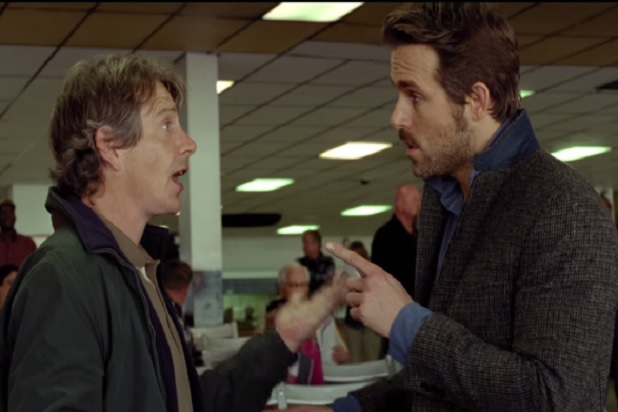
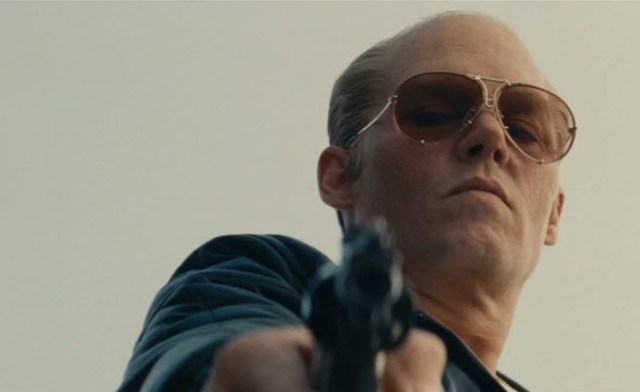 “Black Mass” is a chilly crime drama which is also weirdly disjointed at times. While it feels uttermost solemn and serious as a dark, insidious crime tale revolving around one of the notorious real-life criminal figures in Boston, it is also peculiar and twisted as we think more about not only the absurd aspects of the story but also its enigmatic center shrouded in the unnerving aura of malevolence.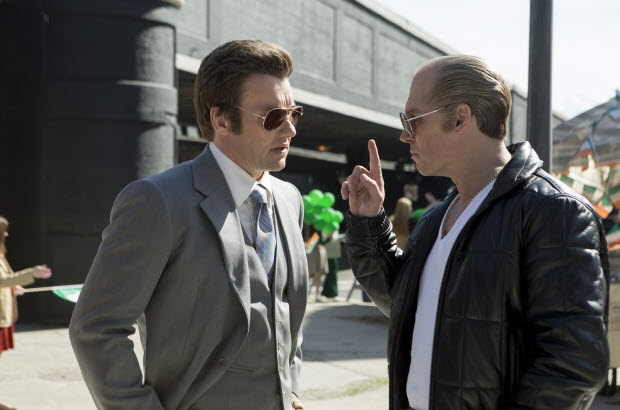
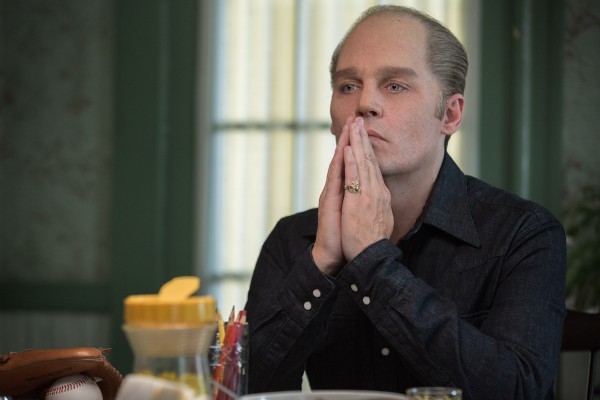 While usually maintaining the distance from its creepy psychopathic hero, the adapted screenplay by Jez Butterworth and Mark Mallouk never goes deep into what makes him tick, but Johnny Depp, a talented actor who can do a lot more than playing Captain Jack Sparrow, is compelling to watch in his uncanny performance. With the pale make-up which makes him almost look like a vampire, he effectively exudes his character’s monstrous nature, and his cold eyes and reptilian façade look all the more frightening as we see more of what kind of evils his character is capable of. Depp deftly balances his acting between dark humor and chilling terror, and he is alternatively fearful and amusing during one dinner scene clearly influenced by a similar scene in “Goodfellas” (1990).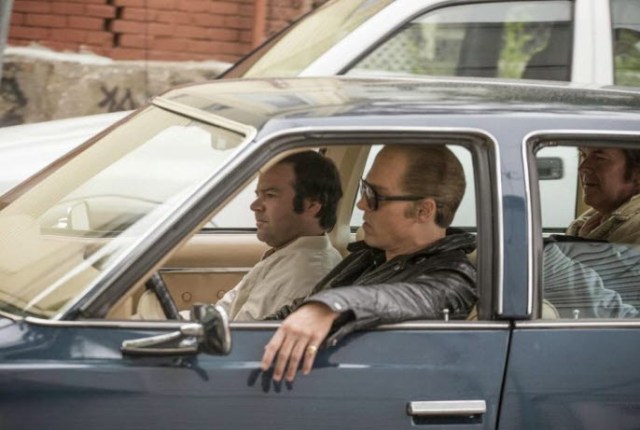
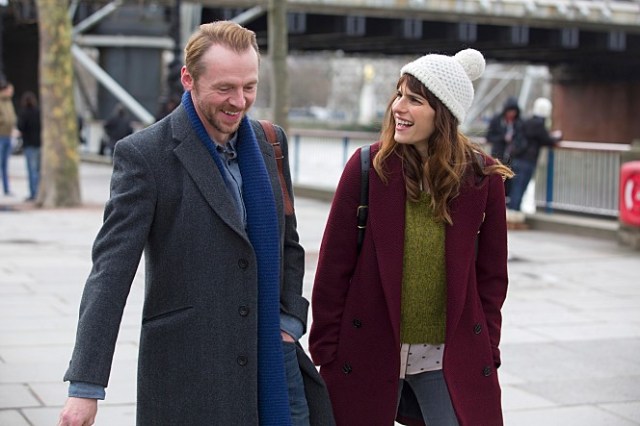 “Man Up” is so predictable that you will probably guess at least half of what will happen next after its Meet Cute scene. Yes, they meet each other by accident as total strangers. Yes, they will see how much they are different from each other as they spend some time together. Yes, they will find themselves gradually attracted to each other in spite of that. Yes, there is a certain complication from the beginning, so it will naturally put some conflict upon them later. Yes, they will come to realize they do love each other, so their story will culminate to the obligatory climax which will surely take you back to many other romantic comedy films you have seen before.
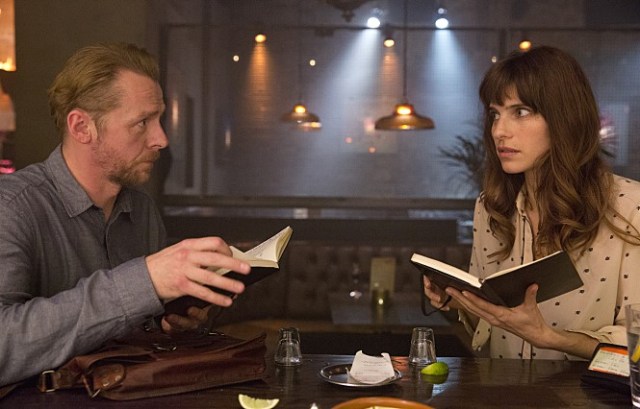
 While she is going back to London by train on the next day, Nancy meets a chirpy girl named Jessica (Ophelia Lovibond) on the train. Jessica is about to meet Jack (Simon Pegg) for their blind date, and she is carrying a self-help book which will be a sign to be noticed by Jack when they meet each other at the Wellington Station in London. When Nancy happens to carry Jessica’s book at the very spot in the station where Jessica is supposed to be waiting for Jack, Jack mistakes Nancy for Jessica, who is conveniently absent at that moment.
 The wedding anniversary party for Nancy’s parents, which is incidentally going to be held during the evening of the same day, is no more than a plot device to function as the arrival point for our couple (Is that a spoiler?), but the movie pays some attention to Nancy’s family members from time to time. Elaine may push her sister a bit too much, but she sincerely cares about her sister’s well-being, and so do her husband and her parents. Nancy’s loving parents love each other as much as they did 40 years ago, and we can clearly see that there is still the magic between them when Nancy’s father makes a sincere speech in front of his wife and their party guests.