
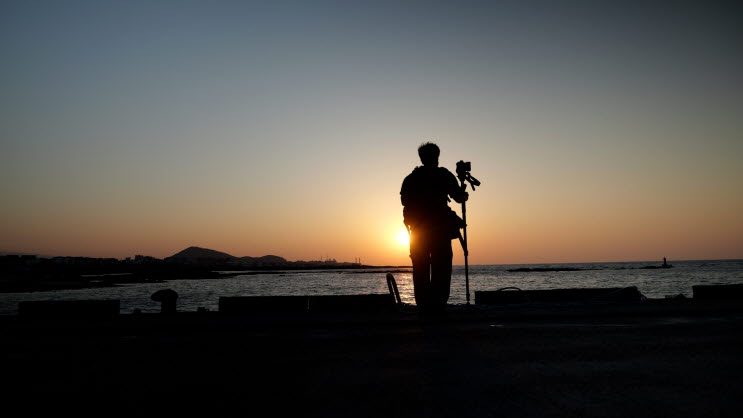
South Korean independent documentary film “Dear Juhee” sincerely attempts to juggle a number of different subjects together, and I appreciate that to some degree. Although its result is a bit too uneven and unfocused at times, it has several genuinely moving moments to remember, and I was touched by them even though being distracted by its flawed aspects from time to time.
The documentary mainly revolves around the personal journey of Jang Ju-hee, who directed it along with Kim Sung-hwan and Bu Seong-pil. When she was a high school girl in the early 2010s, Jang aspired to become a filmmaker someday, but then there came a big setback to her life. She happened to have a serious case of leukemia, and then she also struggled a lot with the domestic violence involved with her abusive father.
While she was having a medical treatment on April 16th, 2014, a shocking incident shook up the whole nation, and she vividly remembers watching the news reports in her hospital room. On that day, the ferry MV Sewol sank while en route from Incheon towards Jeju City in South Korea, and many of the high school students who happened to be there for their field trip to Jeju Island at that time died, mainly due to the infuriatingly late response from the authorities to this devastating accident.
As young documentary filmmakers, Jang and Bu were willing to approach closer to this incident and the families of those dead high school students. We see Jang and Bu looking around here and there in the sunken ship which was eventually salvaged a few years later. We also observe them following the efforts of the families of the dead high school students, who are still quite frustrated about not being able to receive any public apology from the South Korean government as well as those authorities responsible for the catastrophically slow response to the incident.
Bu understands well the personal pain of these people because of the tragic history of his family in Jeju Island. His grandfather and uncle were killed during the Jeju Uprising in 1948, and his father is still not so willing to talk more about the circumstance surrounding their death. Even at this point, there are numerous personal tragedies buried here and there in Jeju Island, and the South Korean society belatedly became more aware of the enormous human tragedies behind the Jeju Uprising as the South Korean government issued a public apology in 2003.
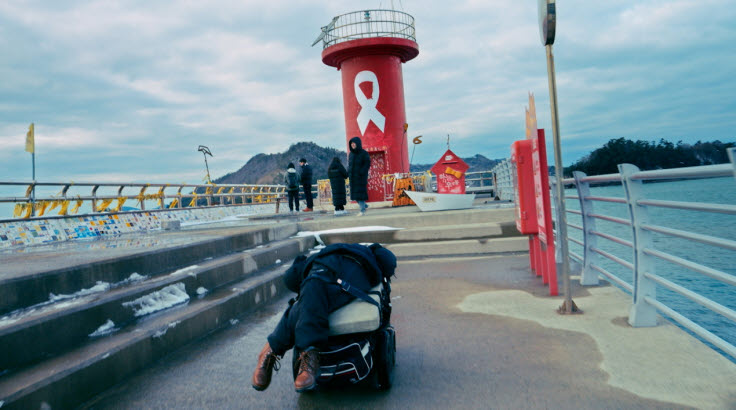
The documentary also focuses on a disabled man named Sun Cheol-gyu. He was born with a serious case of cerebral palsy, but we soon observe his fierce struggle for his independence and civil rights. While he still needs some help from others around him, Sun can freely move for himself by his electric wheelchair, and he is certainly determined to live his life as fully as possible.
Nevertheless, there are always challenges for him in one way or another. At one point, Sun becomes quite willing to do a bungee jump for himself, but, not so surprisingly, he is only told later that there is not any possible option for him. He cannot help but express his anger and frustration in front of others including Jang and Bu, and that is followed by a painful personal moment between them and Sun.
The documentary later tries to couple Sun’s story with the story of the story of Jeon In-sook, whose adolescent son was one of those many victims of the sinking of MV Sewol. Sun sincerely showed some solidarity to her, and he even suggested that she and her husband should take a trip to Jeju Island along with him for remembering not only her son but also all other victims of the incident. Although it was naturally quite difficult for Sun to travel to Jeju Island due to his disability, he eventually joined Jeon and her husband, and we see them visiting the memorial site for the victims of the Jeju Uprising.
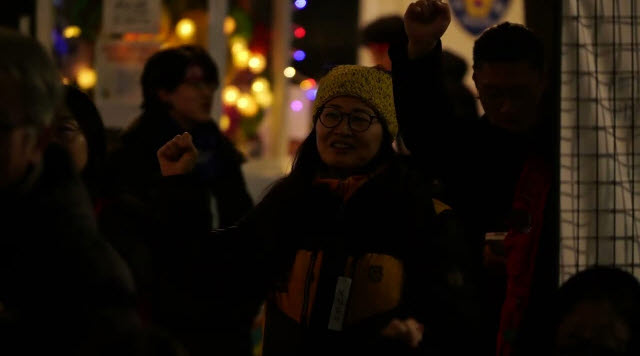
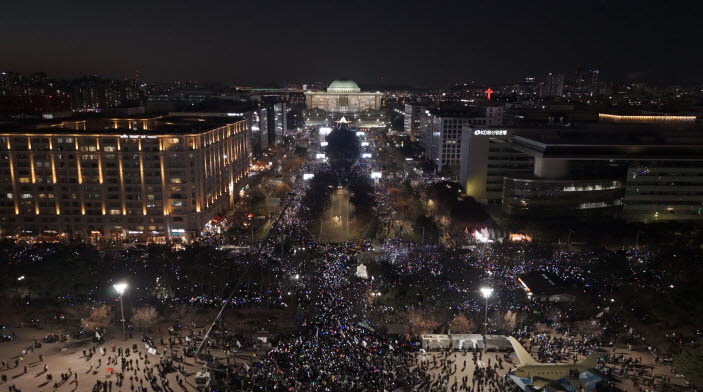
As closely observing her human subjects more and more, Jang came to find her own strength to deal with her personal issues. Besides trying more for processing her old memories of domestic abuse, she also became a passionate activist for female rights and feminist, and she also involved in a number of different social/political activities including a big public demonstration against President Yoon Seok-yeol and his vile attempt to destroy democracy in late 2024.
All these and many other things are presented with enough respect and sensitivity by Jang and her two co-directors, but the documentary often loses its direction and focus as trying to show and tell a lot within its rather short running time (104 minutes). Its several human subjects are certainly interesting to observe from the beginning, but the documentary somehow fails to balance itself well as moving back and forth among them, and we never get to know any of them enough.
On the whole, “Dear Junee” is hampered by its occasionally deficient narrative, but its strong individual moments will probably linger on your mind for a while after it is over. It is a shame that these good moments do not gel together well for engaging me more during my viewing, but, considering the considerable competence shown from their efforts, I sincerely hope that its directors will impress me more in the future.


![[ ... the whisper of fall ]](https://live.staticflickr.com/65535/55554365880_8da128c729_s.jpg "[ ... the whisper of fall ]")


