
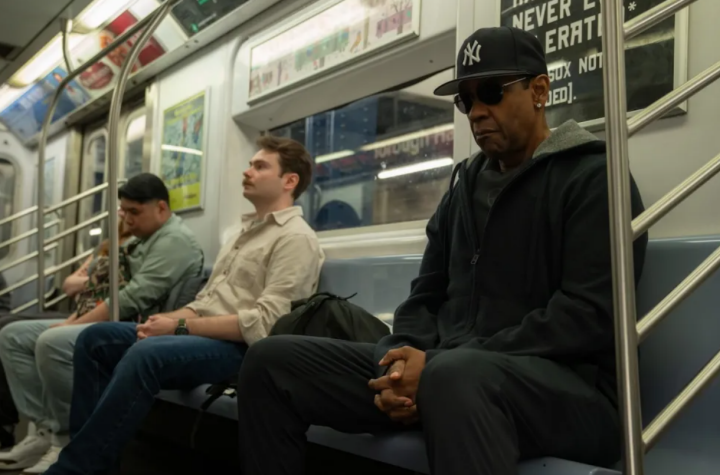
Spike Lee’s latest film “Highest 2 Lowest”, which was released on Apple TV+ in last week, is an interesting remake of “High and Low” (1963), one of the classic films from great Japanese filmmaker Akira Kurosawa. While mostly following the same basic plot based on the Ed McBain’s 1959 novel “King’s Ransom”, the movie attempts to do its own stuffs here and there, and the result is another colorful New York City movie from Lee.
Denzel Washington, who collaborated with Lee again after “Inside Man” (2006), plays David King, a wealthy and prominent music producer currently living with his family in one of those big and posh penthouse apartments in New York City. Although it seems that his music business career has passed its prime, King has been trying to reach for another big opportunity, and he is now virtually betting all of his money and asset on completely buying out his prestigious record company.
Alas, when King is almost close to his goal, there suddenly comes a big problem for him. Somebody calls King, and he is notified his teenage son is kidnapped. Quite shocked and devastated, King and his wife Pam (Ilfenesh Hadera) soon call the police, and a bunch of detectives promptly work on tracking down King’s son and his kidnapper, but, what do you know, it eventually turns out that the kidnapper took away the only son of King’s driver Paul Christopher (Jeffrey Wright) instead.
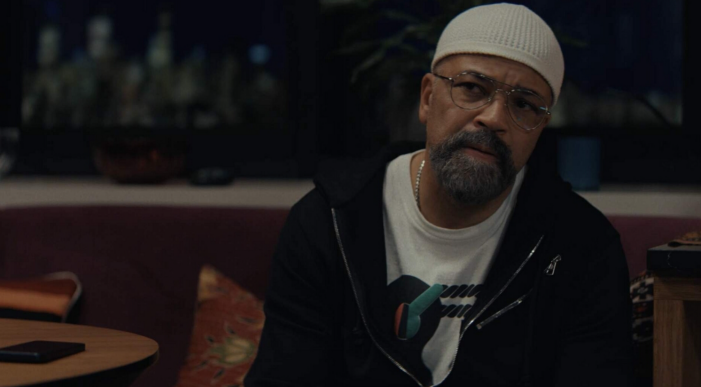
While certainly quite relieved, King finds himself facing a serious moral dilemma as the kidnapper still demands that he should pay the ransom. Christopher, a widower who is incidentally a reformed ex-criminal, has been much more than a hired guy for him for many years, and Christopher’s son has been pretty much like a brother to King’s son. Still hoping for the complete buyout of his company, King seriously considers not paying the ransom, but, as one of his business partners warns, that may ruin the public image of him and the company. Now I am reminded of that memorable line from Michael Mann’s “The Insider” (1999): “Fame has a fifteen minute half-life – infamy lasts a little longer.”
As King becomes more conflicted on this impending issue of his, Lee and his crew members including his cinematographer Matthew Libatique did a fluid job of maintaining the tension around King and several other main characters while also adding some interesting details to observe here and there inside King’s penthouse apartment. Besides a number of things from his glorious past, his apartment is also decorated with a lot of valuable artworks associated with African American culture, and they remind us more of his social and racial class as well as his considerable wealth and luxury.
While Kurosawa’s 1963 film focuses more on the diligent works of a bunch of detectives assigned to the kidnapping case, the screenplay by Alan Fox continues to focus on King’s ongoing plight instead, and we see how things get more complicated for him as time goes by. In the end, he chooses to do what should be done for Chrisotpher’s son, but there come more big problems to handle, and it looks like he is tumbling down toward the end of his career.
As his character struggles in one way or another along the story, Washington’s good performance steadily carries the film. Although he is 70 at present, Washington demonstrates again that he is one of the most charismatic actors working in Hollywood, and he also does not hesitate at all in embodying the human flaws and weaknesses of his character. While he cares a lot about the people close to him, King cannot help but remind them of who the man in the house is, and that is evident during a crucial private conversation between him and his son later in the story.
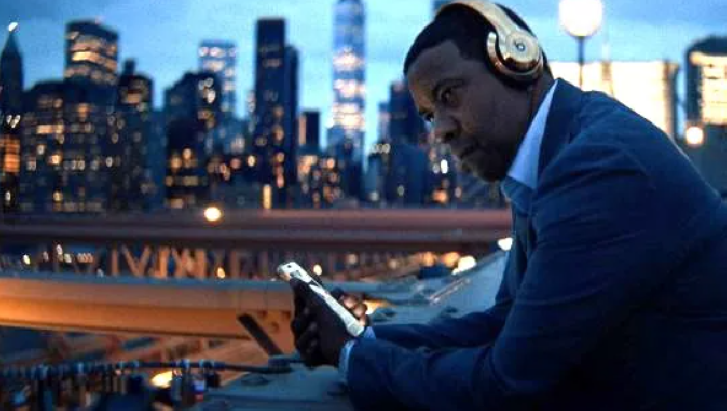
With Washington’s strong performance functioning as its emotional engine, the movie deftly moves from one narrative point to another as often providing interesting moments to observe. In case of the sequence where King must deliver a bag of ransom money as required, it happens to be juxtaposed with the nearby Puerto Rican Day Parade, and this surely brings extra personality to the soundtrack as well as the vivid and realistic urban atmosphere of New York City in the movie. Around the last act, music and King’s profession turn out to be more integral to the story than expected, and that leads to more irony when King finally confronts the kidnapper.
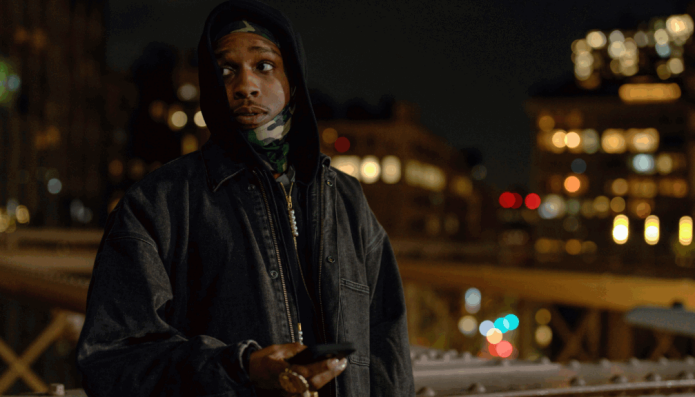
Around Washington, Lee places several notable performers here and there. While Jeffrey Wright holds his own place well besides Washington (His son Elijah Wright plays his character’s son in the film, by the way), Ilfenesh Hadera and Aubrey Joseph also have each own small moment to shine, and John Douglas Thompson, Dean Winters, LaChanze, Michael Potts, Wendell Pierce, and ASAP Rocky are well-cast in their substantial supporting parts.
On the whole, “Highest 2 Lowest” balances itself well between old and new things while also having enough style and personality to distinguish itself well from Kurosawa’s 1963 film. Although being one or two steps down from its senior, the movie is still another interesting work to be added to Lee’s long and illustrious filmmaking career, and it is certainly one of better things to watch at your home during this year.


Pingback: 10 movies of 2025 – and more: Part 2 | Seongyong's Private Place