
Now here are 11 South Korean films of this year.
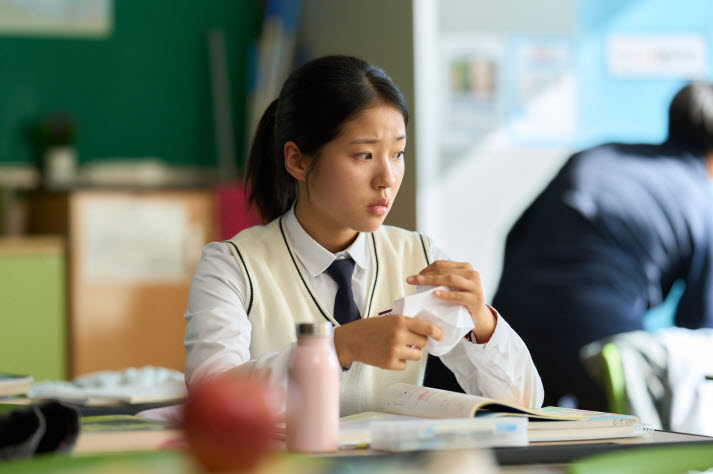
Yoon Ga-eun’s “The World of Love” is simply extraordinary for how it is about as well as what it is about. As gradually and sensitively conveying to us its heroine’s inner struggle along the story, the movie will make you muse more on how she is, and you will come to care about her more while surprised and then touched by a sublime ending you will have to see for yourself.

- The Final Semester
Lee Ran-hee’s “The Final Semester” follows a plain teenager boy about to enter what may define the rest of his life. Still not knowing well what he really wants for his life, he simply follows what he is expected to do, and you will probably brace for yourself at times as observing how risky and hazardous his surrounding environment can be. I knew what the movie is about in advance, but I found myself much more engaged in the story and characters with more care and worry, and that is what a good movie can do in my inconsequential opinion.

- 3670
Good movies can be a vivid window to the lives of others different from us in one way or another, and Park Joon-ho’s “3670” is one of such excellent examples. Closely and sensitively following the personal drama of one young North Korean gay defector, the movie lets us have more understanding and empathy on him, and it is often touching to observe how he gradually becomes more honest about his homosexuality along the story.
- Homeward Bound
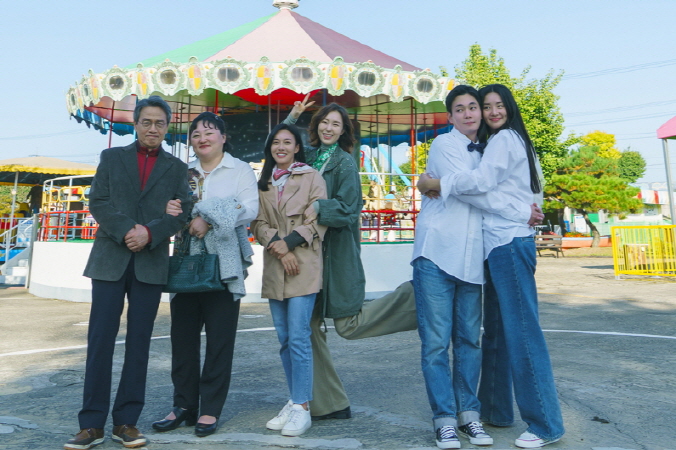
Kim Dae-hwan’s “Homeward Bound” is a little family movie with secrets to be revealed in one way or another. As each of its main characters struggles to handle their rather tricky circumstance while hiding each own secret, the movie earnestly and steadily develops the story with human details to observe, and we come to care more about their respective issues.
- No Other Choice
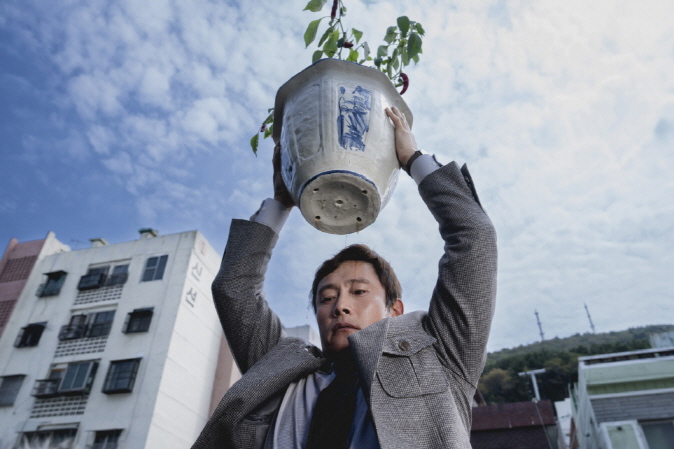
Park Chan-wook’s “No Other Choice” is another dark and twisted genre piece you can expect from its director. Following its plain ordinary family guy’s murderous struggle for getting employed, the movie provides a series of morbidly humorous moments with an abundant amount of style and details to be appreciated, and that compensates for several weak aspects including its rather overlong running time (139 minutes).
6. When This Summer is Over
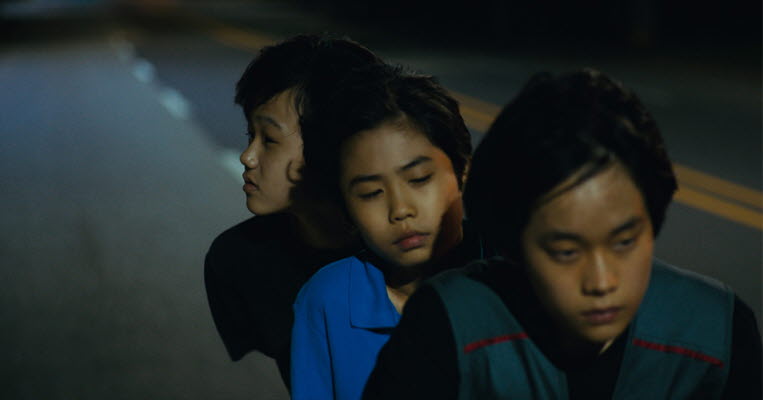
Jang Byung-ki’s “When This Summer is Over” is often disturbing for good reasons. Phlegmatically following how its plain young hero tumbles down into a number of crimes and misdemeanors thanks to his new “friends”, the movie gives us a sobering examination of toxic masculinity, and that often keeps us on the edge even when the story is approaching to its inevitable finale.
- Waterdrop
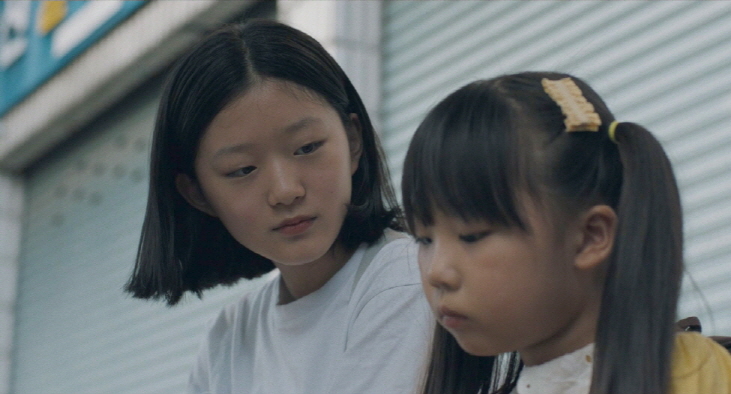
Choi Jong-yong’s “Waterdrop” is a somber but sad story about two different kids who simply do not want to be left alone. As closely and sensitively observing their respective emotional struggles along the story, the movie often becomes a bit tense with their pain and desperation, and we come to care more about them with some empathy and understanding.

- Isle of Snakes
Kim Eu-min’s “Isle of Snakes”, which was released in local theaters a few years after it was premiered at the 2023 Busan International Film Festival, alternatively baffled and intrigued me. While simply starting with three broad characters stuck in one mysteriously isolated location, the movie often caught me off guard with a series of odd moments, but it also mesmerized me with a lot of mood and beauty to be savored. To be frank with you, I still have no idea on what it is exactly about, but I also admire how it is about nonetheless, and that makes the movie fairly interesting in my humble opinion.
- Hallan
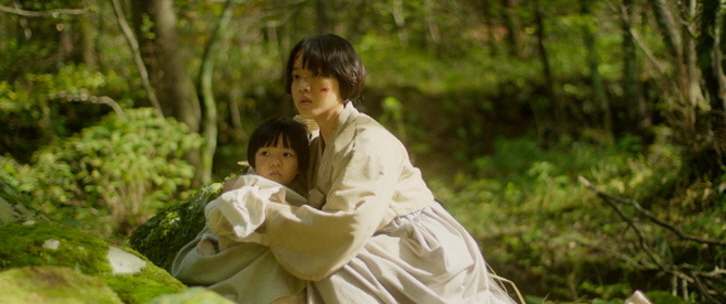
Ha Myeong-mi’s “Hallan” turns out to be a lot more haunting than I expected at first. Closely following the harrowing survival drama of a young mother and her little daughter in the middle of the Jeju Uprising (1948 ~ 1949), the movie humbly but powerfully conveys to us the enormous human horror and tragedy behind that incident, and you will come to reflect more on how that painful past never goes away even at this point.

- Good News
Byun Sung-hyun’s “Good News” is a disaster black comedy film loosely inspired by a real-life hijacking incident in March 1970. While it is clear from the beginning that most of its story and characters are fictional, the movie holds our attention with its cheerfully sardonic mix of absurd comedy and intense thriller, and a number of good elements in the film are enough to compensate for its several weak aspects including its rather long running time (136 minutes). It feels a bit too irreverent about its historical background, and I enjoyed its lightweight concoction of humor and suspense nonetheless, and that is enough for me for now.
Special mention: “1980 Sabuk”
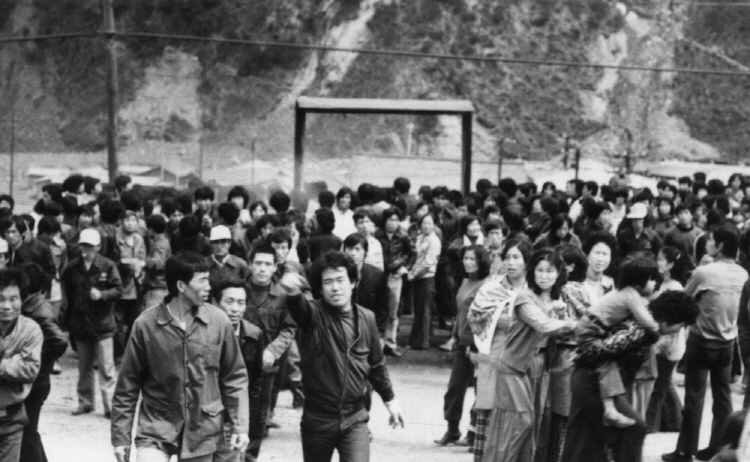
Park Bong-nam’s documentary film “1980 Sabuk” is about one large-scale labor uprising which happened in one little rural coal mine town in April 1980. Although the incident is almost forgotten at present, there are still many people who remember well what happened at that time, and the documentary focuses on their painful past as patiently presenting its big picture of systemic violence and injustice. Now Sabuk is just a small plain rural town after its coal mine was eventually shut down in 2004, but the documentary vividly shows us how its painful history remains quite alive with the survivors of the uprising even at this point, and that will surely lead you to some serious thoughts after it is over.


 Seongyong's Private Place