
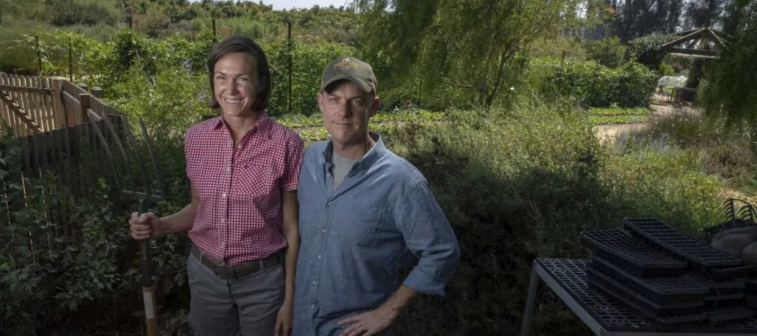
Documentary film “The Biggest Little Farm”, which happens to be released in South Korean theaters in this week, is a vivid and intimate chronicle of one ordinary couple who took a considerable risk with one big barren farm for their little shared dream. While this surely often feels like your average feel-good nature documentary, it also recognizes all those difficulties and hardships of running and managing a farm every year, and we certainly come to cheer for that couple more as observing how they dealt with one obstacle after another during their first several years at the farm.
How director/co-writer/co-producer/co-cinematographer John Chester and his wife Molly started their little farm project was sort of fateful. As a culinary expert, Molly had hoped to have a little diverse farm which can supply a various number of fresh food ingredients for her cooking, and John was certainly supportive about that, but their shared dream seemed to be out of their reach mainly because they did not know that much about farming in addition to not having enough money for buying any decent farm out there.
And then there came an unexpected change in their life which motivated them much more than before. In 2010, John and Molly came to adopt a dog which could have been euthanized instead, and they were certainly delighted about that, but, to the annoyance of many neighbors of theirs, this dog barked too much whenever they were absent in their little apartment. Eventually, they had no choice but to move to somewhere, and that was when they became more serious about following their shared dream. First, they became more active about anyone to finance their little farm project, and they also looked for any suitable rural place for that.
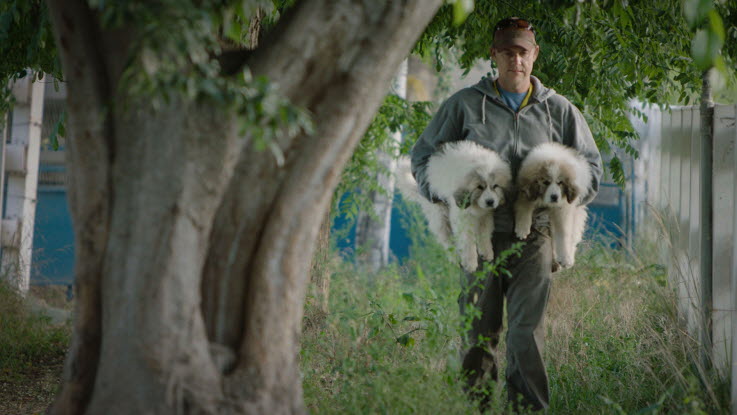
Fortunately, John and Molly soon succeeded in getting the financial support from an investor really interested in their farm project, and then they purchased an abandoned farm near Moorpark in neighboring Ventura County, California. Although the farm looked pretty dire to say the least in many aspects, John and Molly were willing to try their luck on bringing life back to this dry and stark area, and they even hired an eccentric consultant named Alan York. York was quite serious about restoring the ecosystem of the farm area, and John and Molly and several other hired workers willingly followed York’s ambitious plan even though they were not wholly certain about whether the nature environment of the farm would really be restored in the end.
What follows next is a series of ups and downs for John and Molly and others in the farm. We see them working on the bio-friendly production of compost via worms and bacteria, and then we see them pack the land with various kinds of animals and plants besides several common livestock animals and orchard trees. According to York’s view, the whole restoration of the ecosystem in the farm is crucial for its nature environment as well as its productivity, and Molly was certainly delighted to fill the orchard area of the farm with many different fruit trees (She even nicknamed it “Fruit Basket”, by the way).
However, though they were already told that it would be very hard for them and others in the farm during next several years, John and Molly frequently found themselves quite frustrated and exasperated with many different problems. While their strategy on compost fairly worked well, they subsequently faced several fest problems in the orchard area. While they had a considerable financial success from their little egg farm, they constantly had to protect those chickens at the egg farm from those meddling wild coyotes out there. In addition, they also had to deal with several unexpected nature disasters including a record-breaking drought.

Nevertheless, John and Molly did not give up at all as trying to handle one impending matter after another, and their small and big struggles eventually led to some valuable lessons and experiences about nature. For example, they came to learn how the fully restored ecosystem can actually take care of many of their problems in the farm, and even those supposedly annoying coyotes later became rather useful once their attention was diverted from those chickens to something else in the farm. When another big nature disaster came in 2017, they were certainly worried a lot, but they were relatively more assured because they knew about their land a lot more than before.
As a professional wildlife cinematographer, Chester surely knows how to capture the vivid beauty of the nature environment of the farm on his camera, and he and the other four cinematographers of the documentary certainly did a commendable job here. Although their result occasionally feels a little too slick and smooth, it is difficult for us not to be warmed and touched by those lovely moments of nature shown in the documentary, and the documentary also recognizes some harsh facts in the daily life at John and Molly’s farm. As dedicating themselves to the farm during several years, they came to care a lot about many livestock animals in their farm, but John phlegmatically reflects at one point that these livestock animals of theirs are simply allowed to live until they are not useful anymore for him and his wife.
Overall, “The Biggest Little Farm” may occasionally be a bit too mild and soft for you, but it never overlooks all those strenuous efforts behind John and Molly’s special farm at least, and it will certainly make you muse more on the importance of preserving and maintaining nature environment. After all, we all really need to live more harmoniously with nature these days, don’t we?
Sidenote: Short documentary film “The Biggest Little Farm: The Return” (2022), which is the little epilogue to the documentary, is currently available on Disney+.


 Seongyong's Private Place