
Jim Jarmusch’s latest film “Father Mother Sister Brother”, which won the Golden Lion award at the Venice International Film Festival in last year, is as dry, humorous, and touching as you can expect from him. As doling out its three different stories loosely connected with each other via several recurring story elements, the movie thoughtfully and sensitively explores complicated family relationships, and the result is definitely one of the most engaging works from last year.
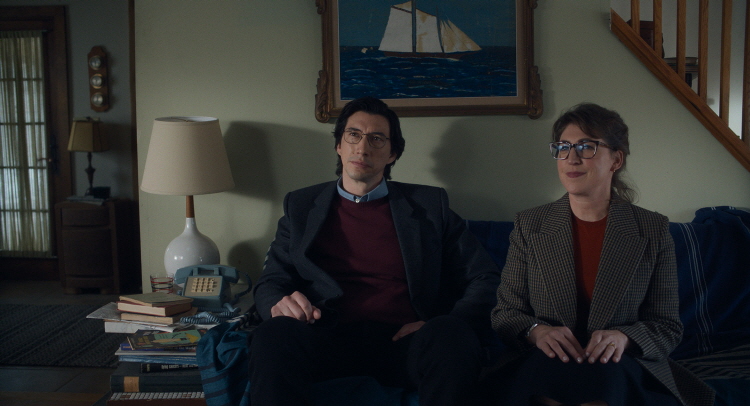
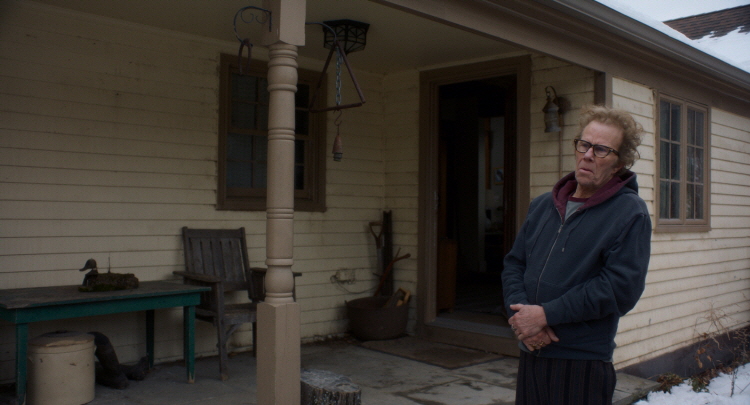
The first story, which is titled “Father”, is mainly about the rather flawed relationship between an old dude, played by Tom Waits, and his two adult children Jeff (Adam Driver) and Emily (Mayim Bialik). At the beginning, we see Jeff and Emily coming to a house where their father has lived alone by himself for years, and we come to gather how they have often been distant to their father. They do care about him, and he has sometimes needed some help from them due to one problem after another, but they still do not know or understand him that well on the whole.
Anyway, the plot thickens a bit when they eventually arrive at their father’s house and then spend some time with him. As observing how their father’s house does not look clean or neat at all, they come to worry more about his welfare, but they are also reminded again of that existing distance between them and their father. They are sincerely concerned about how he has been, but, to their little bafflement, he does not want to tell much about that while rambling about some other things instead.
In the end, it is revealed to us that their father is not particularly enthusiastic about their visit from the very beginning, and we get an unexpected comic moment when he turns out to be more occupied with something else besides his children’s visit. Waits, who previously appeared in Jarmusch’s several previous films including “Down by Law” (1986), is dryly amusing in his deadpan comic performance, and he is supported well by Adam Driver and Mayim Bialik, who also have their own small humorous moments without overshadowing Waits at all.
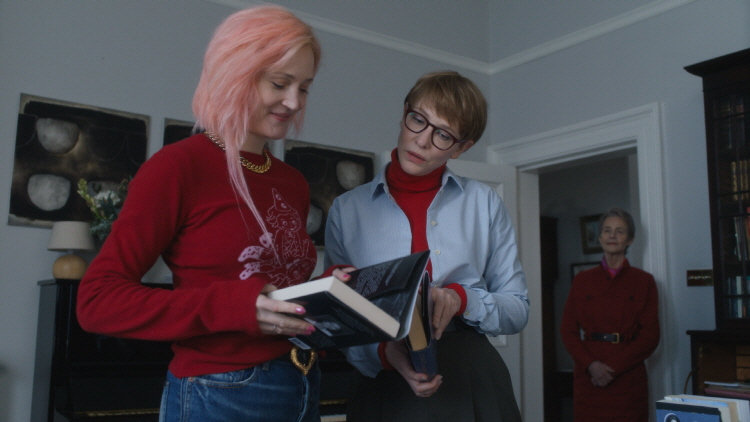
The second story, which is titled “Mother”, revolves around one little family tea party among one middle-aged woman, played by Charlotte Rampling, and her two daughters Timothea (Cate Blanchett) and Lilith (Vicky Krieps). Although they all reside in Dublin, Ireland, these three ladies do not meet each other much outside this annual tea party of theirs, and we come to gather the reason as Lilith and Timothea separately arrive in their mother’s cozy house. Besides their apparently different personalities, their mother is not a very affectionate woman to say the least, and it is clear that their mother usually cares more about Lilith than Timothea.
However, the mood feels gentle and casual on the surface as their mother is courteously serving tea to Timothea and Lilith. As she admitted to someone else on the other line of the phone in an earlier scene, their mother tries to show equal love and care to both of her two daughters, but she cannot help but show more attention to Lilith. This evidently hurts Timothea’s feelings from time to time, though she does not signify her emotional pain that much to her mother or her younger sister.
As the camera of cinematographers Frederick Elmes and Yorick Le Saux continues to focus on their tea party conversation, we get to know more about these three ladies. While Timothea has a fairly successful professional career just like her mother, Lilith is your average superficial online influencer, and their personal difference is more evident from their contrasting attires. Both of them wear red blouses just like their mother, but Timothea’s attire is more subdued compared to her younger sister’s, and this interesting contrast in their attire choice accentuates more of how Lilith has received more attention from their mother.
Nevertheless, we gradually sense some degree of emotional bond among Timothea, Lilith, and their mother. Sure, they may never get closer to each other, no matter how many tea parties they are going to have again. Nevertheless, they are still capable of understanding and caring about each other despite their flawed relationships, and that is why their last scene is accompanied with quiet emotional poignancy. While Rampling, who is no stranger at all to looking gracefully unflappable, holds the center, Cate Blanchett and Vicky Krieps flawlessly complement each other from the beginning to the end, and you may not mind at all even if these three wonderful actresses act more together for a much longer running time.
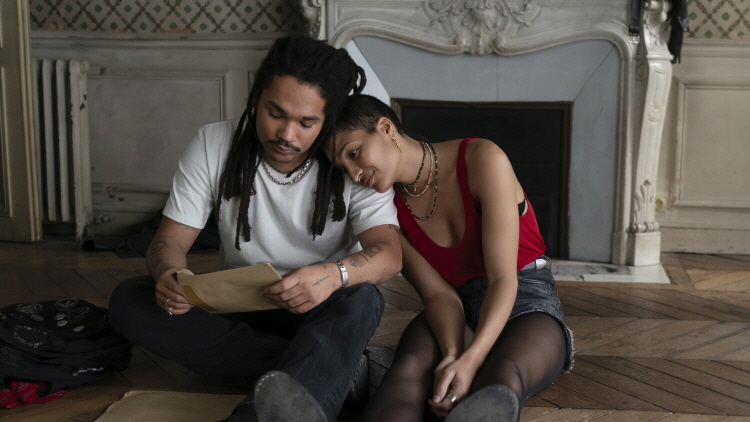
The third story, which is titled “Sister Brother”, is about the ongoing personal grief of two twin siblings Skye (Indya Moore) and Billy (Luka Sabbat). Their parents recently died due to some unfortunate airplane accident, and they are about to drop by their parents’ apartment in Paris, which has already been emptied out by Billy in advance not long after their parents’ death.
As these two siblings talk about their deceased parents, we come to gather that their parents had a pretty unconventional life which never bored them at all. As looking into some personal stuffs left by their parents, Billy and Skye cannot help but become a bit nostalgic, but they also recognize that there are many things they still do not know about their dear parents.
Although it is relatively less impactful to the other two stories in the film due to its rather thin and languid narrative, the third story still works as we are often amused by the recurring story elements such as rollerblading, and you will also be moved by the effective utilization of Dusty Springfield’s “Spooky” around the end of the story. In addition, Indya Moore and Luka Sabbat are solid in their earnest acting, and we can clearly sense a long history between their sibling characters thanks to their effortless interactions on the screen.
In conclusion, “Father Mother Sister Brother” demonstrates that Jarmusch still can amuse and engage us a lot although he has been rather quiet during last several years since his last film “The Dead Don’t Die” (2019). To be frank with you, I do not like some of his works such as “Dead Man” (1995) and “The Limits of Control” (2009), but many of his better works always have something amusing or moving to reflect on, and I can assure you that “Father Mother Sister Brother” is one of such cases.


 Seongyong's Private Place