
South Korean independent documentary film “My Missing Aunt” presents a modest but intimate personal story to tell. Looking into how one promising young woman was unjustly erased by her own family, it makes some sharp point on the sexist influence of patriarchy upon women, and you will also come to reflect more on how the South Korean society has not been free from that yet.
The story begins with when director/writer Yang Ju-yeon came to know about a hidden secret inside her supposedly harmonious family. On one day, her father happened to talk about his eldest sister when he was a bit drunk, and that baffled Yang a lot because her father or many other family members of theirs had never talked about this hidden family member in question. As becoming more curious about the aunt she had never known, Yang decided to delve more into who she was, and the documentary follows her subsequent investigation.
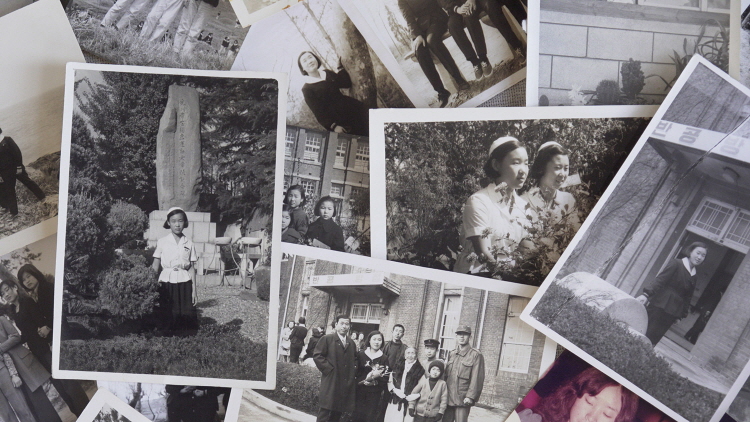
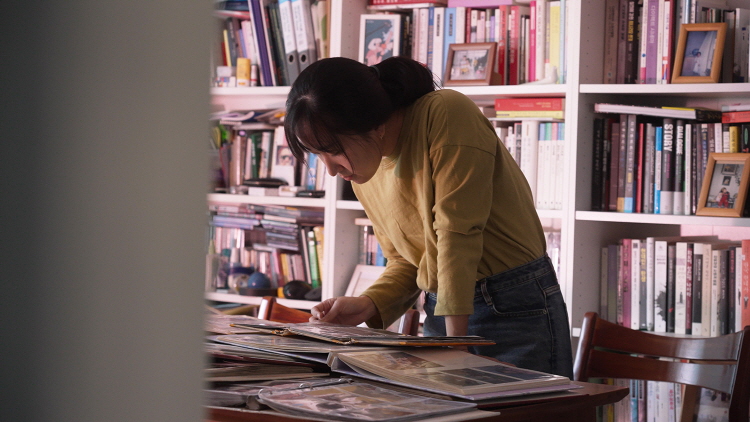
Although both of her parents were not so willing to talk about her hidden aunt because she unfortunately killed herself around 50 years ago, it did not take much time for Yang to find some old stuffs associated with he aunt, including an old photograph album belonging to Yang’s paternal grandmother. That photograph album has a number of photographs showing Yang’s aunt during her childhood and adolescent years, and they made Yang all the more curious about who her aunt really was.
Thanks to the old records from a high school where her aunt studied, Yang could locate several classmates of her aunt, who were all willing to tell many things about her aunt. According to them, Yang’s aunt was a smart and confident girl who wanted to be an artist someday, and it later turns out that she went to a local university after her high school graduation. Yang interviews several people who knew her during her college time, and they all fondly remember how spirited she often was.
However, just like many other young women during that time, Yang’s aunt also found herself often frustrated and suffocated mainly due to her family. Although her father made sure that all of his five children received a fair amount of education, he always put his two sons first even though Yang’s aunt was his eldest child. When she asked for the permission to study in Seoul, he said no without any hesitation, and this certainly broke her heart.
As coming to learn more about how her aunt struggled with gender bias and discrimination, Yang reflects more on how frequently she has faced the same problems throughout her own life. In a home video clip showing her birthday party, her father’s camera often showed more attention to her younger brother even though she should be the focus of the home video, and her grandfather was no better than that.
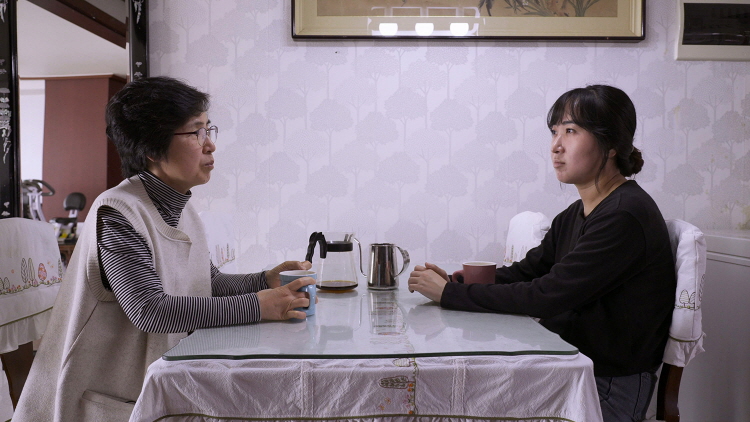
Later in the documentary, Yang has an honest conversation with her father in front of the camera. Although he visibly feels awkward as listening to his daughter, Yang’s father frankly admits that, despite his sincere efforts to love both of his two children equally, he had usually put Yang’s younger brother above her a bit because of those sexist ideas handed from his father, and that leads to more conversation between him and his daughter.
Meanwhile, Yang came to learn more about the rather suspicious circumstance surrounding her aunt’s suicide. According to the people close to her at that time, she had a very close relationship with some young man, but, not so surprisingly, this dude turned out to be quite petty and possessive, and she really tried hard to break up with him as soon as possible.
In the end, Yang’s aunt killed herself with a bottle of poison in that guy’s residence on one day of 1975, but, to her bafflement, Yang could not find any police record on this serious incident. It is apparent that her family covered that up just for avoiding getting their reputation tarnished in public, and they even changed the date of her death when they applied for her death certification later.
As wondering whether her aunt really committed suicide at that time, Yang’s mind naturally muses more on how many women get beaten or killed in the South Korean society every year – and how often the South Korean society has overlooked that mainly due to its male-dominant aspects. Although many of South Korean women came to speak and shout louder during last several years, they have been often ridiculed or persecuted by many men out there nonetheless, and that says a lot how much the South Korean society needs to be changed in case of gender equality.
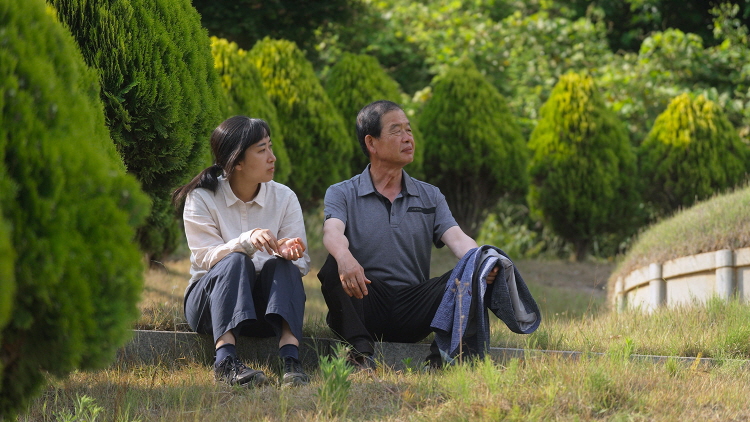
Nevertheless, the documentary shows a bit of hope and optimism as Yang actively persuades her father to do something important for his forgotten eldest sister. Although too much time has passed since her death, Yang is determined to remember and honor her aunt as much as possible, and that is followed by a brief but quietly poignant private moment between her and her father.
Overall, “My Missing Aunt” presents well its engaging personal story within its rather short running time (78 minutes), and I appreciate how Yang handles her personal project with genuine care and passion. In short, this is another interesting South Korean documentary of this year, and its haunting main human subject will linger on your mind for a while after it is over.


 Seongyong's Private Place