
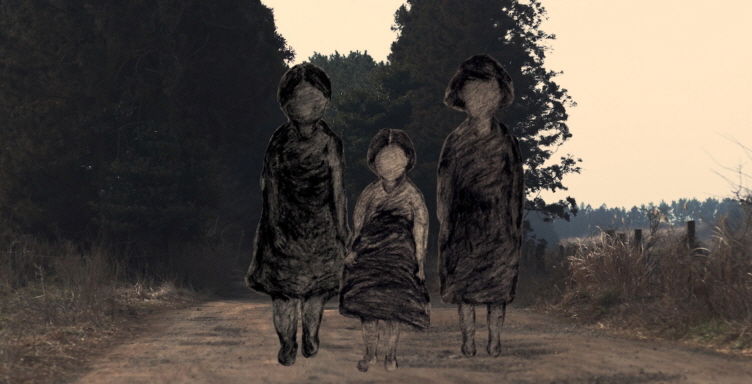
South Korean documentary “Voices” simply listens to the testimonies from a bunch of people traumatized in one way or another by the massacres during the Jeju uprising during 1948 ~ 1949. Focusing more on the female victims and survivors, the documentary illuminates some hidden human aspects of the Jeju uprising, and it certainly reminds me that I and many other South Koreans still need to learn and remember more of the sheer human tragedies during that dark period.
First, let me give some background information for you if you do not have much knowledge on the Jeju Uprising, When the South Korean government was about to be officially established under President Rhee Syng-man via the upcoming elections in early 1948, many people in Jeju Island began to protest against this just because they did not want their country to be divided in half, and this eventually led to a big insurgency against the local police on April 3rd. President Rhee subsequently declared the martial law upon the island, and then the uprising was brutally suppressed by the local police, the South Korean military, and some right-wing thugs during next several months.
During that terrible time, around 30,000 civilians were massacred just because of being labeled as communists or collaborators. While many of these innocent victims were male, there were also lots of female victims, and the documentary later points out that many of these unfortunate women are not clearly identified while being simply recorded as somebody’s wife or daughter even at this point.
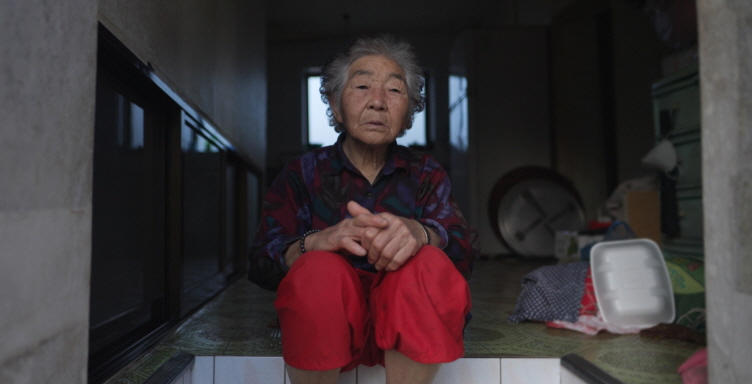
Although many of these female victims were killed at that time, some of them managed to survive, and the documentary introduces us several living survivors one by one as looking closer into their individual tragedies. In case of one of them, she is still haunted by the trauma and guilt from surviving alone by herself, and, not so surprisingly, she is not that willing to tell more about what happened to her and several other young women at that time.
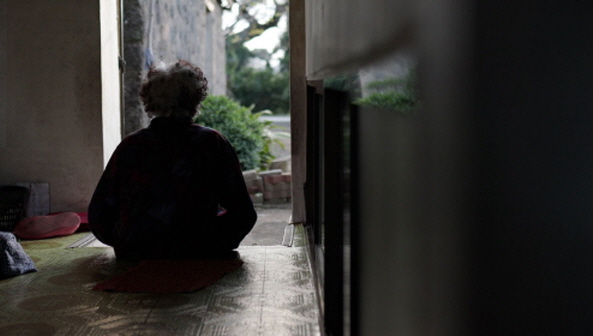
Sadly, she and many other female survivors were forced to move on while never being allowed to talk about their respective personal traumas for several decades, and we can only imagine how much they suffered and endured in silence. At least, the South Korean government finally began to recognize the atrocities during the Jeju uprising not long after the democratization in the late 1980s, and there have actually been lots of efforts for recording and then preserving the testimonies from not only them but many other survivors. At one point later in the documentary, we see a small but valuable archival institute storing hundreds of recorded testimonies, and we are told that there may still be more human tragedies to be uncovered for getting the fuller picture of the atrocities during the Jeju uprising.
Like any other violent time throughout the human history, women were usually quite more vulnerable than men during the Jeju uprising, and the documentary often emphasizes this horrible aspect as often accompanying the testimonies with the brief moments of rough but striking animation. Those soldiers and policemen and right-wing thugs frequently preyed on young women just for satiating their sexual need, and nobody dared to stop this at all. Many of those raped women were killed later merely for silencing them forever, and there is a chilling moment when the documentary phlegmatically looks over a beach cliff where many of those raped women were thrown into the sea right after their execution.
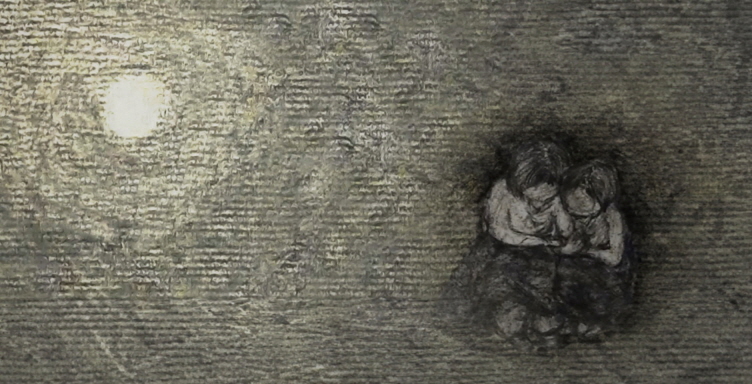
Director Jee Hye-won also focuses a bit on how many of the female survivors of the Jeju uprising managed to continue their respective lives since 1949. After the Korean War during the early 1950s, the people of Jeju Island became all more silent about the Jeju uprising, and many of the female survivors had to take care of themselves as well as their remaining family members without getting much help from others around them. One female survivor reminisces about how hard she worked for many years as a sea woman, or “haenyeo”, not only around the island but also all other parts of South Korea, and she cannot help but become sad and regretful as remembering when she had to work in the sea while leaving her little son tied on the boat just for his safety.
Because all these and many other survivors do not have much time to live due to their old age, remembering their stories becomes all the more important these days, but I am quite concerned as reflecting on how troubling the South Korean society has been due to the considerable political turmoil caused by those right-wing nuts including President Yoon Seok-yeol, who was thankfully ousted two days ago after committing so much harm to the South Korean government and society during last three years. These deplorable people have actively tried to erase the memories and records of many national atrocities including what occurred during the Jeju uprising, and I am sure that they will keep trying that in the future.
Anyway, “Voices” overlaps with another recent South Korean documentary film “Until the Stones Speak” (2022) to a considerable degree, but both of them will inform you a lot on the human dimensions of their common historical subject. In addition, they will also give you more understanding on the historical context of Nobel Prize-winning South Korean author Han Kang’s recent novel “We Do Not Part”, whose story and characters are incidentally closely associated with the Jeju uprising. In my humble opinion, the Jeju uprising indeed needs more public awareness than before, and “Voices” certainly deserves to be watched by more audiences out there.


 Seongyong's Private Place