

“The Notebook”, which happened to be re-released in South Korean theaters in this week probably because of its 20th anniversary, is inherently sappy but undeniably effective as before. Yes, this is basically your average romance story, but it is still a well-made product which can actually engage us via its solid storytelling and several fine performances, and that is more than enough for me to put aside my cranky sides at least during its running time.
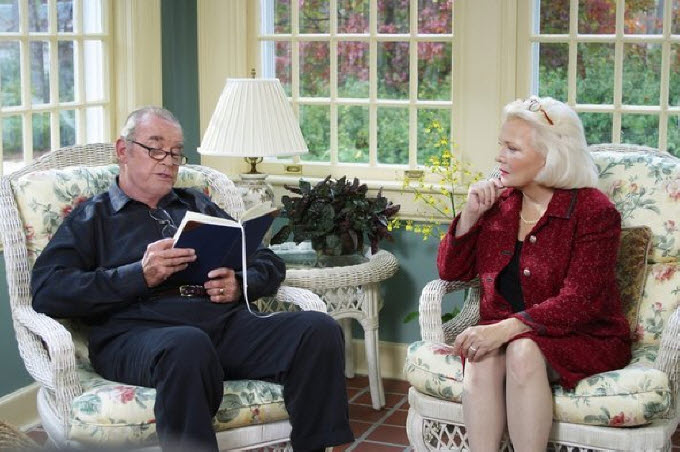
The opening part of the film is so transparent that some of you can easily see through its plot machination from the very beginning. First, we meet two aging figures residing at some nice facility for old people, and the main narrative of the movie is slowly unfolded as one of these two old people tells a little but precious romance story to the other person, who is revealed to be not so well later in the story.
That romance story, which is set in a little Southern country town during the early 1940s, is about two young people who were very, very, very different from each other in many aspects but fell in passionate love with each other right from when they came across each other for the first time. Although Allie (Rachel McAdams) is dating some other guy at that moment, Noah (Ryan Garner) boldly approaches her without any hesitation just because he felt something special about her, and that leads to a big amusing moment to remember between them.

As they subsequently get to know each other more, Noah and Allie are reminded again and again of how different they really are besides their apparent personality difference. Noah’s family is rather poor, and he works in a local lumber mill for earning the living for him and his father. In contrast, Allie is the only daughter of one of the wealthiest families in the area, and the path of her life is almost determined by her parents, who do not object to Allie dating Noah but still expect her to marry a lad suitable for their social class someday.
Nevertheless, Noah and Allie become drawn more to each other as time goes by. When Noah later shows her a big but abandoned house he has hoped to purchase and then renovate for her, Allie cannot help but get more touched by his sincerity and passion, but then there comes a cold dose of reality from her mother, who sternly disapproves of them going further in their relationship.
Eventually, Allie comes to leave the town along with her parents, and then the World War II is started as she and Noah get separated more and more from each other. When the war is over several years later, both of them seem to be changed a lot on the surface, but, of course, they still yearn for each other, even when they respectively get romantically involved with someone who looks more suitable for each of them.
During its second half where our two lead characters fatefully come across each other again, the screenplay by Jeremy Leven and Jan Sardi, which is based on the novel of the same name by Nicholas Sparks, becomes quite melodramatic as expected, but its sappy sides are compensated well by what has been built up so well along the story. Although they are more or less than archetype figures, Allie and Noah’s relationship development is handled with enough care and sensitivity under the competent direction of director Nick Cassavetes (Yes, he is the son of John Cassavetes), and the same thing can be said about the subplot between the two aforementioned old persons, who, this is not much of a spoiler at all, gradually turn out to be a lot more crucial for the story than they seemed at the beginning.
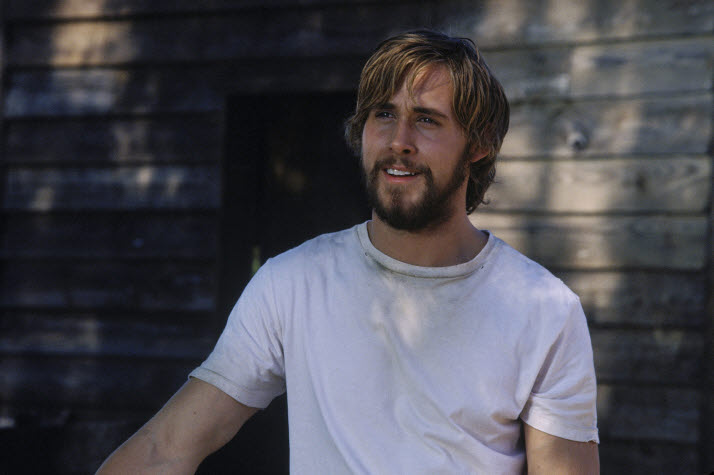
Above all, the movie depends a lot on the chemistry between its two charismatic lead performers. Rachel McAdams and Ryan Gosling are simply effortless as their characters pull or push each other in their romantic struggles, and their youthful appearances in the film will make you feel a bit nostalgic at times in addition to reminding you of how much they have advanced during the last two decades since this film came out. With this film and “Mean Girls” (2004), McAdams quickly established herself as a new talented actress to watch, and that led to a series of other stellar works including her Oscar-nominated turn in “Spotlight” (2015). Right after his darkly electrifying performance in “The Believer” (2001), the movie demonstrated another side of Gosling’ undeniably versatile talent, and he has kept impressing us since then as recently shown from his hilarious Oscar-nominated supporting turn in “Barbie” (2023).
The supporting performers in the film including James Marsden, David Thornton, Sam Shephard, and Joan Allen are also well-cast in their respective parts, and the special mention must go to James Garner and Gena Rowlands, who, like Shephard, are no longer with us at present. Both Garner and Rowlands, who is incidentally Cassavetes’ mother and has been mainly known for her legendary collaborations with her husband, bring some class and dignity to their roles, and that is the main reason why the rather contrived finale works on the emotional level.
In conclusion, “The Notebook” is an enjoyable genre piece which turns out to be more enduring than many other movie adaptations of Sparks’ novels such as “Message in a Bottle” (1999) or “Dear John” (2010). No, I have not touched any of Sparks’ novels yet, and I doubt whether I will ever do that during the rest of my life, because, as many of you know too well, there are hundreds of books much more worthwhile to read out there. Nonetheless, I understand and accept the appeal of “The Notebook”, and I will not deny that I was moved a bit again as before.


 Seongyong's Private Place
Pingback: The Notebook (2004) Sappy but still effective – kisafilms.com