

South Korean documentary film “A Song of Korean Factory Girls” illuminates the relatively unknown history of many young Korean women who had to work in Japan during the Japanese colonial period in the early 20th century. As the documentary calmly presents a series of various testimonies from the past, we come to learn a bit more about their sad and painful past, and we are also touched by how they endured and then prevailed despite their utterly grim and harsh reality.
At first, the documentary gives us some background information on how these young women came to Osaka, Japan not long after Korea was colonized by Japan in 1910. They were mostly from poor families, and they all desperately needed any possible way to earn the money to support their dear families. When they heard about those cotton mill factory jobs in Osaka, they certainly hesitated at first for understandable reasons, but they eventually went there because it seemed that there was not any other good option for them in Korea.
Of course, they all came to realize that they were more or less than second-rate laborers to be exploited in one way or another. During that time, the Japanese industry had been boosted a lot since its rapid modernization in the late 19th century. As growing bigger and bigger, many factories in the country naturally needed any cheaper worker available to them, and they preferred South Korean workers simply because South Korean workers were much cheaper than Japanese ones.
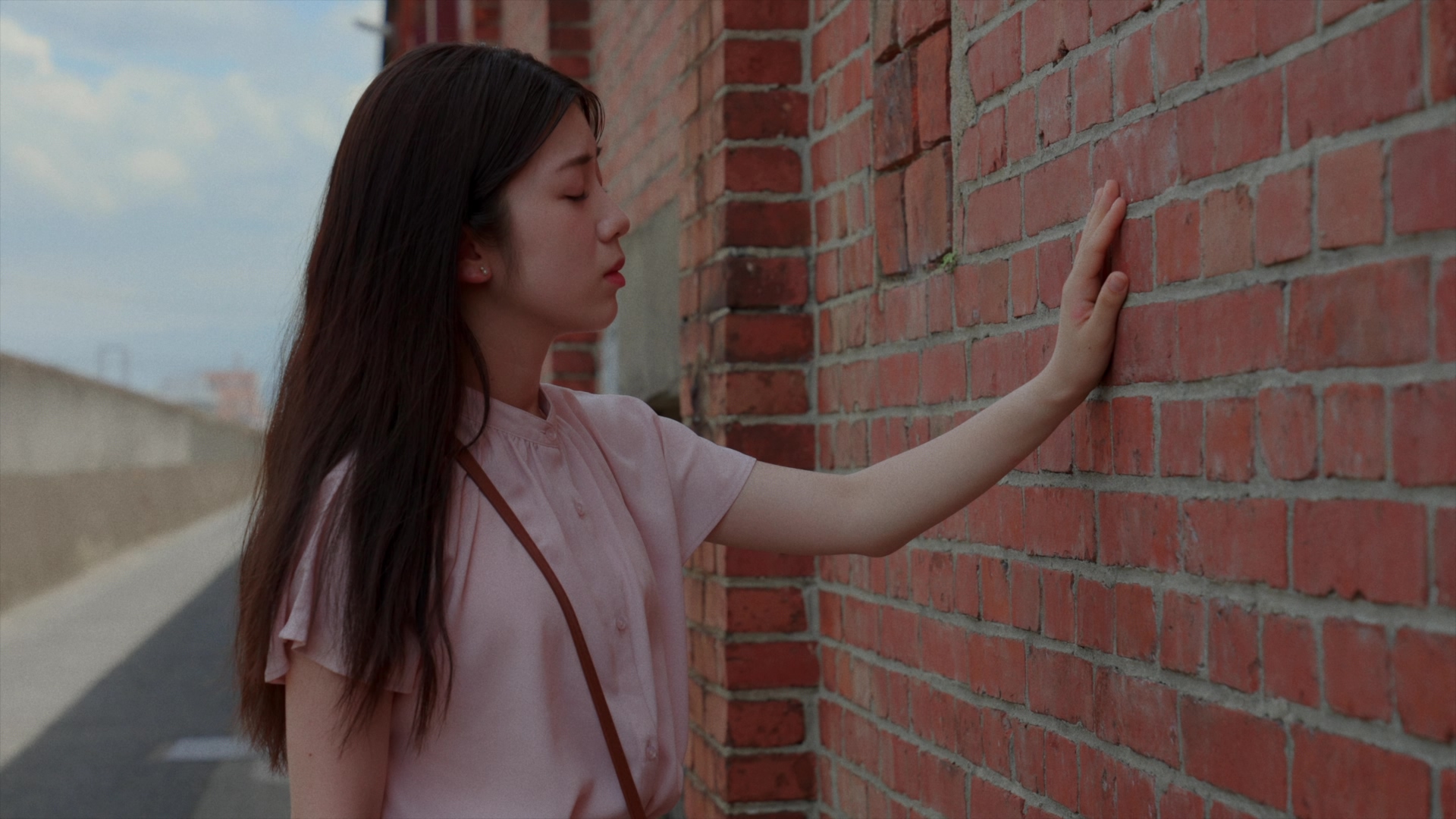
At one point, the documentary shows us the location of one of the biggest cotton mill factories in Osaka. The factory is not operating anymore, and the location looks a lot different now, but there are still the remains of the past, nonetheless. We see the big red brown brick walls surrounding the factory, and we can only guess how things were really grim for those South Korean female workers in the factory. Even when they were not working, they were usually not allowed to go outside, and they were also frequently mistreated a lot by their Japanese supervisors and a group of Korean collaborators who were often worse than Japanese people.
The testimonies by several young Korean female workers, which are read by the actresses playing them on the screen, are quite heartbreaking to say the least. Besides having to endure the frequent overtime works in their factory, they were not fed that well on the whole, and the living condition of their factory dormitory was very poor in many aspects. While there was not enough place for everyone, the hygiene of their dormitory was virtually non-existent, and that caused many outbreaks of contagious diseases within the group, which often led to the unfortunate demise of some of them.
Of course, the Japanese supervisors of the factory were well aware of the poor working and living condition of the Korean female workers, but they simply disregarded the Korean female workers’ petitions while mistreating the Korean female workers more and more. When the Korean female workers finally started to protest the ongoing unfair treatment on them, the Japanese supervisors and their Korean collaborators did not hesitate to oppress the Korean female workers by any means necessary, and, not so surprisingly, the local police also helped this brutal suppression.
One of the most poignant moments in the documentary comes from when it looks around a local cemetery where many Korean female workers might have been buried. While the factory allowed them a little proper funeral service, their death was certainly devastating to their dear families, and there is one particularly sorrowful episode about a Korean mother who could not help but wail a lot in front of her deceased daughter’s grave.
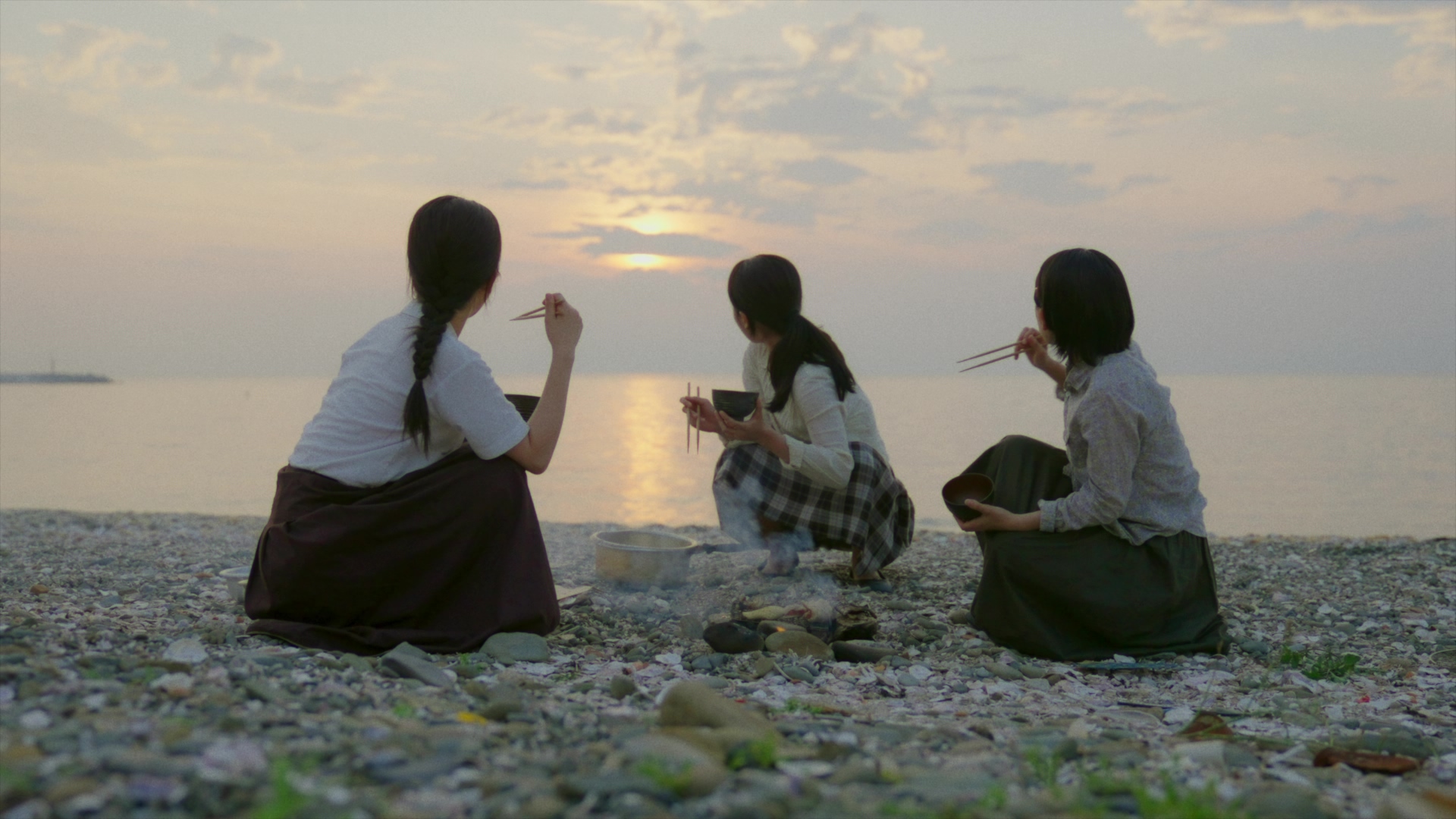
Nevertheless, the Korean female workers in Osaka tried their best for not only their survival but also maintaining their national identity. Although many of them were uneducated girls who did not know at all how to write or read in Korean, they actually tried a bit of self-teaching together for corresponding more with their families in Korea via letters, and that certainly boosted their spirit to some degree even though their passionate attempt was subsequently squashed by the Japanese supervisors. They also did not hesitate to cook and eat anything edible enough for them, and it is rather ironic that their humble personal dishes, which were made from the internal organs of pig and cow thrown to them for free during that time, are pretty popular in Japan at present.
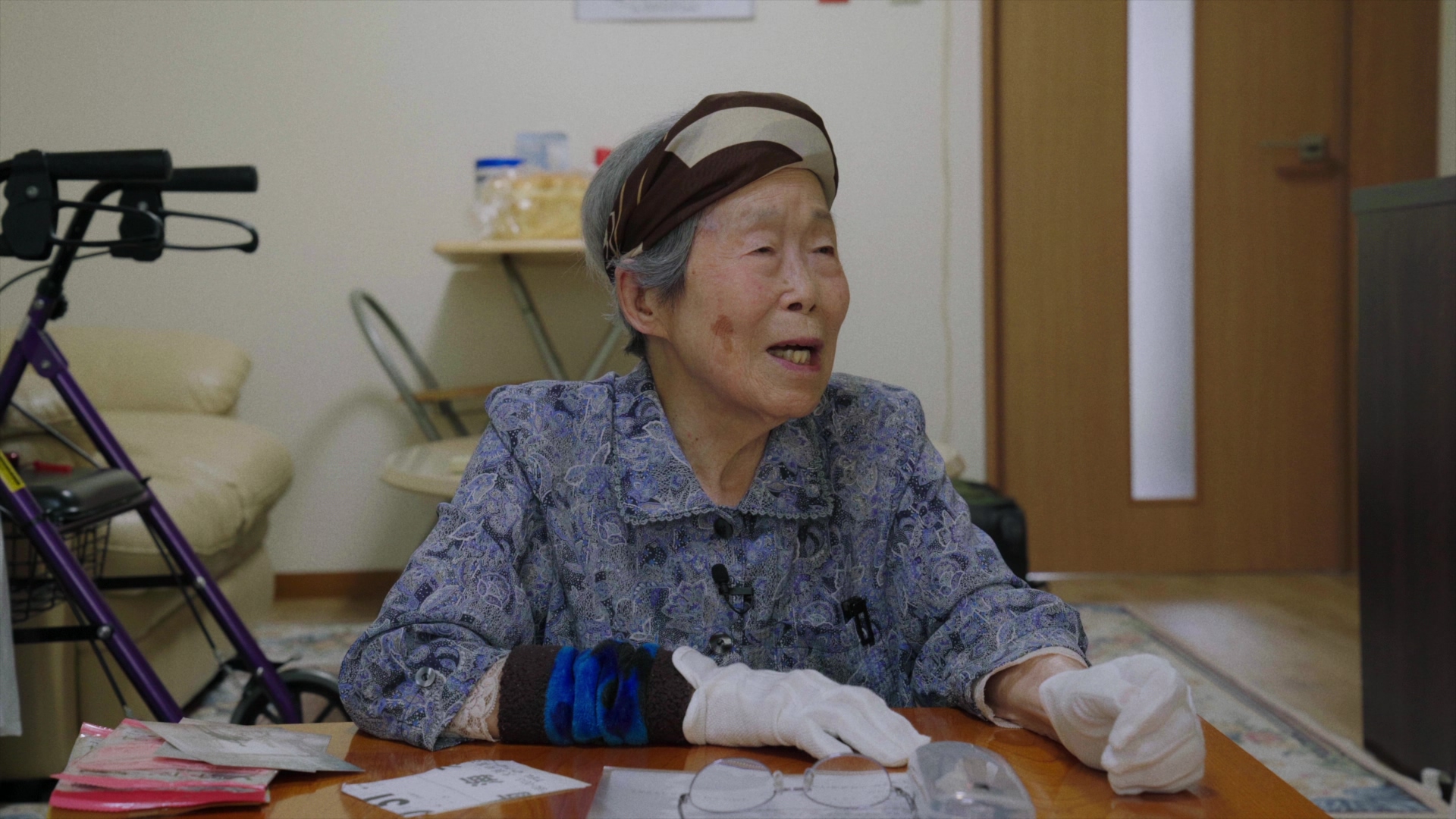
Above all, many of them came to settle and then raise their families in the city, and we meet a few remaining survivors who casually reminisce about how things were hard and difficult for them during that time. Later in the documentary, we get some brief glimpses on how these very old ladies have moved on during next several decades since that that time, and it is really moving to observe how they will prevail as usual before their eventual death.
Overall, “A Song of Korean Factory Girls” is an engaging documentary which presents well another important historical part of the Japanese colonization period, and director/writer Lee Won-sik handles the subject of his documentary with enough respect and thoughtfulness. Although it could delve more into its subject, it made me more interested in its subject, and I guess that is what a good documentary can do.


 Seongyong's Private Place