
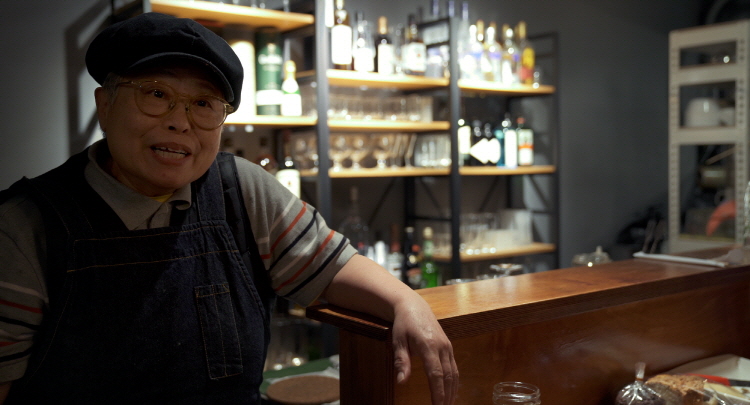
South Korean documentary film “Home Ground” introduces us to one extraordinary figure who deserves to be known more to not only thousands of LGBTQ+ people out there in the South Korean society but also many other South Korean citizens. Here is a person who has steadily and defiantly been open and frank about his sexuality for quite a long time, and it is poignant to observe how willing he still is to keep going even at present while never being ashamed of her sexual identity.
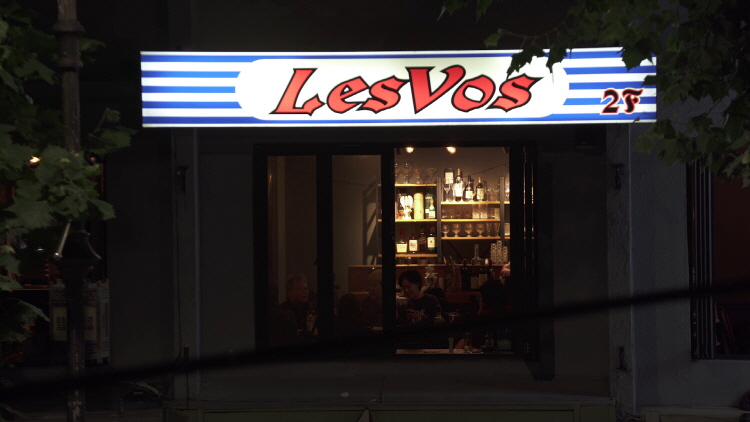
He is Yoon-Kim Myeong-woo, who has run the first lesbian bar in South Korea which was opened in 1996. Aptly named “Lesvos” (You surely know where its name comes from, if you know anything about a certain famous lesbian Greek poet), this bar has been a shelter and haven for numerous lesbian women for many years, and Myeong-woo, who took over the bar around 20 years ago, is certainly proud of the old history of Lesvos.
Early in the documentary, we observe how things became quite hard and difficult for Lesbos and its owner during the early 2020s, which will be forever remembered for the COVID-19 pandemic. As many people were infected here and there in the country, numerous public places including bars and restaurants had to be restricted a lot, and Lesvos and many other LGBTQ+ bars in the Itaewon-dong neighborhood were no exception. When the media made a sensational fuss about how some people got infected in one of those gay nightclubs, the situation became all the harder for the LGBTQ+ bars in the Itaewon-dong neighborhood, and we are not so surprised when the documentary later shows Myeong-woo doing an extra job for making ends meet day by day.
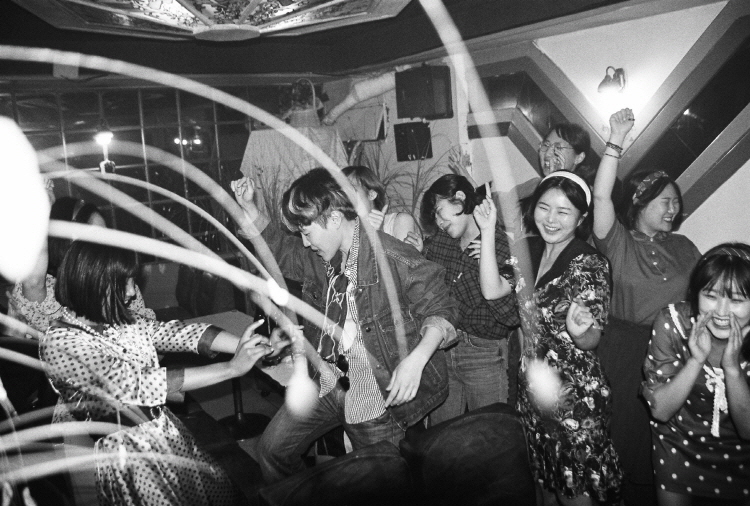
As a person who has been quite comfortable with her sexuality for more than 20 years, Myeong-woo is surely a living witness of the rather obscure part of South Korean LGBTQ+ history during the late 20th century. Even during his adolescent period in the 1970s, he clearly knew that he was different from many other girls around him, and that eventually led him to a certain famous woman-only coffee shop located in the middle of Seoul. Via a series of reenactment and interview clips, the documentary shows us what a liberating place that little but special coffee shop was for Myeong-woo and many other young lesbians, and Myeong-woo and several other interviewees certainly have some affectionate memories associated with that place.
Of course, they often could not possibly be open about their sexuality outside during that time. As shown from several old newspapers and magazine articles, that coffee shop was eventually raided by the police for its “sexual decadence”, and that looked like the end of their good time, but Myeong-woo and many other lesbians kept going nonetheless, and their spirit was trickled down to the next generations who could be more outgoing as things changed to some degree along the passage of time. Several younger interviewees in the documentary tell us about how they and other young lesbians often gathered at a certain public park in Seoul in the early 2000s, and they all fondly remember how they felt free and happy together via their little but precious solidarity.
Meanwhile, we also meet some of Myeong-woo’s old lesbian friends, who are also straightforward about their sexual identity as much as him. There is a little sweet moment as Myeong-woo and one of his friends have a little lunch meeting together, and they cannot help but reminisce about their good old times just like your average old people. In case of two other friends of him, one of them willingly recollects about her little encounter with a fellow lesbian in the past, and we can only imagine how glad and excited she really was at that time for meeting someone just like her.
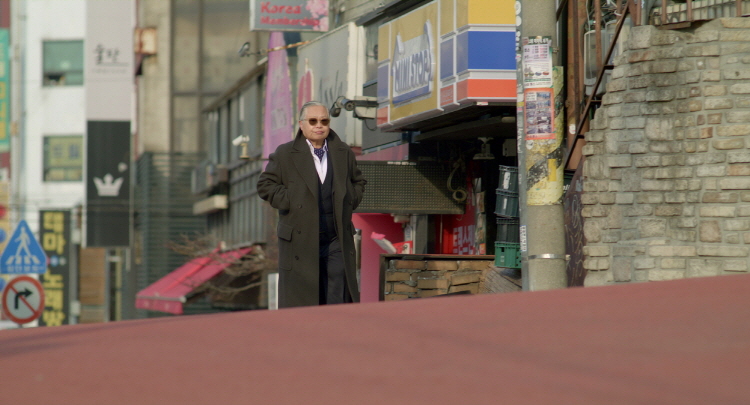
As his bar business was affected more and more by the COVID-19 pandemic, Myeong-woo often found himself becoming desperate and frustrated in addition to suffering some medical problem, and there is a memorable scene where he lets out some of his negative feelings in front of the camera. Having been the de facto godfather of the LGBTQ+ community in South Korea, he cannot easily show her anxiety and frustration to others around him as remaining unflappable as before, and that became a bigger toil for him while the bar looked like being sunk more and more by the COVID-19 pandemic.
Nevertheless, he keeps going as usual. While finding a way to keep things afloat for his bar, he remains active for the human rights of the LGBTQ+ people in South Korea, and that aspect of hers is clearly exemplified by the scene where he participates in a demonstration for the human rights of transgender people. As he frankly admits at one point later in the documentary, he also had some bias and prejudice against some of LGBTQ+ people at first, but he eventually came to embrace many different members of the LGBTQ+ community in South Korea, and I must say that he is certainly a much better person that those hateful politicians and other public figures shamelessly promoting hate and bigotry every day in South Korea.
In conclusion, “Home Ground” is a modest but touching documentary which deserves more audiences in my humble opinion, and director/co-writer Kwon Aram handles the main human subject of her documentary with enough care and respect. When it was over, I felt the need to know and learn more, and that is what a good documentary can usually do, you know.


 Seongyong's Private Place