
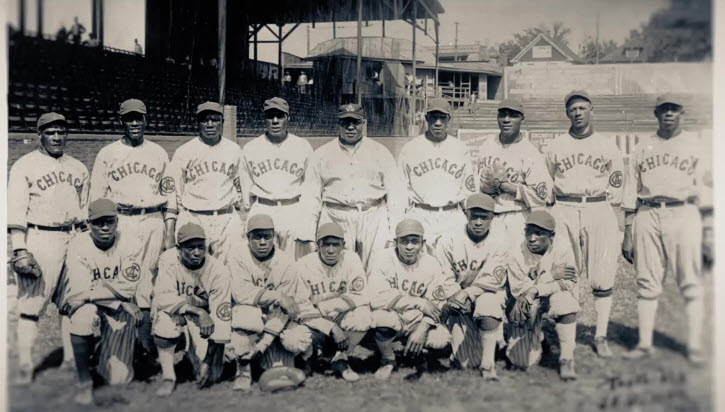
Documentary film “The League” looks over the mostly overlooked history of the African American baseball leagues during the early 20th century. As a guy not so knowledgeable about its main subject except, yes, Jackie Robinson, I observed the documentary with constant fascination and interest, and I certainly came to learn a lot in the end as often entertained by its engaging presentation of the relatively unknown parts of the American sports history.
At first, the documentary details on how racial segregation was imposed upon the Major Leagues in US around the beginning of the 20th century. While African American baseball players were actually allowed to play with White players during the late 19th century, they were gradually pushed out from fields mainly due to racism, and that was just a tip of how racial segregation became more prevalent in the American society during the early 20th century.
While they were more discriminated in one way or another, many African Americans moved to the northern cities including New York City or Chicago, where they had less problem with racism and discrimination compared to many other parts of the country including those Southern states. As they formed their own communities in these northern cities, a number of various business activities followed, and baseball happened to be one of them because, well, African American people wanted to watch baseball games as much as White people.
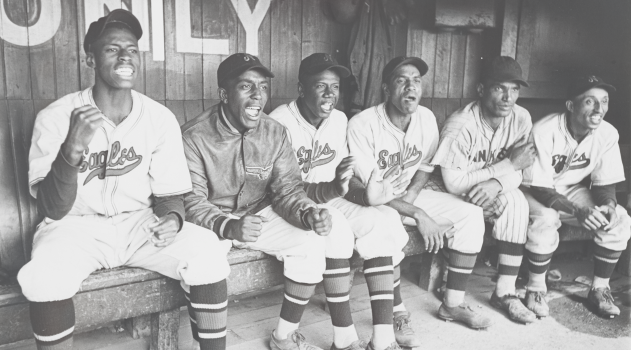
At first, a bunch of independent African American baseball teams were established here and there, and then they eventually came to band together to form several regional leagues once the owners of teams including Reuben Foster saw the considerable business potential from that. Besides being a pretty good baseball player during his younger years, Foster was also quite a clever and charismatic figure who could easily persuade his competing baseball team owners, and he soon became the major driving force behind the regional league established by him and others.
And he and others surely had quite a success thanks to not only a number of exceptional players ranging from Josh Gibson to Satchell Paige but also thousands of African Americans eager to watch their favorite players. As a matter of fact, their Christian churches even stepped back a bit, and, considering how unflappable African American churches usually are, that says a lot about the growing popularity of baseball among African Americans at that time.
And those remarkable African baseball players during that period seldom disappointed their enthusiastic fans out there. As shown from a series of archival clips, they often dynamically and excitingly demonstrated a lot of their athletic skills in one way or another, and that makes an amusing contrast with the relatively dull sights from those White players of the Major Leagues during that time.
The final goal of Foster and other African American baseball team owners was to get recognized and then accepted by those influential White figures of the Major Leagues, but, not so surprisingly, racial discrimination still stood on their way as before. Judge Kenesaw Mountain Landis, who became the first Commissioner of Baseball in 1920 after handling the infamous Black Sox Scandal, adamantly refused to do anything about the racial desegregation of American baseball, and he kept sticking to his bigotry until his death in 1944.

Around the time of Judge Landis’ death, the situation looked more optimistic as both the American society and the Major Leagues could not ignore the social demands from African Americans anymore. Thanks to their considerable contribution to the World War II, African Americans were able to step forward more than before, and those White power players of the Major Leagues came to notice more of how much racial desegregation could benefit their business via those talented African American baseball players out there including, yes, Jackie Robinson.
Of course, the documentary delves a bit into how much Robinson had to struggle after being recruited by the Brooklyn Dodgers. While millions of African Americans surely had lots of expectation on him, there were also lots of White racists he had to face whenever he was on the field, and it was really fortunate that Robinson had all the right stuffs for enduring and then prevailing before eventually opening the door for his fellow African American players.
However, Robinson’s historical accomplishment turned out to be a double-edged blessing for the people of the African American baseball leagues. They all surely welcomed Robinson’s amazing success, but, as some of them already sensed, this also signified the end of their days of glory and success. Once the barrier was broken, many of those Major League teams including the Brooklyn Dodgers did not hesitate to snatch more and more of talented African American players, and this consequently led to the gradual demise of the African American baseball leagues within next few years.
In conclusion, “The League” amply and succinctly presents its fascinating historical subject despite its rather short running time (103 minutes), and director Sam Pollard, who previously directed a number of acclaimed documentaries including “MLK/FBI” (2020) and “Citizen Ashe” (2021), did a commendable job of handling the main subject with enough care and respect. I wish the documentary shows and tells more, and that is just a minor weak point, and I gladly recommend you to check it out someday.


 Seongyong's Private Place