

Dear Roger
Hello, how have you been on the other side during last 12 years? Whenever I came across something really good or interesting, my mind always comes to wish you were here with us as a fellow audience, and the latest case is Rebecca Miller’s five-part TV documentary series “Mr. Scorsese”, which is currently available on Apple TV+.
I am sure that you would find the documentary quite special from the beginning as a longtime fan and supporter of Martin Scorsese, who has been one of the greatest filmmakers of our time for more than 50 years. After you came across his first feature film “Who’s That Knocking at My Door” (1967), you had steadily shown interest and enthusiasm on anything to come from him, and you also did not pull any punch when you thought he was too good to direct those rather conventional commercial films such as “The Color of Money” (1986), which was incidentally the only Scorsese film you gave a thumbs down.
The documentary consists of the five different parts respectively examining Scorsese’s life and career in chronological order, and I am sure that there are many things quite familiar to you because of many of your interviews with Scorsese. It has been known well that Scorsese’s childhood period was considerably influenced by his Italian American family background as well as the Catholic church, and Scorsese and some of his old friends including the one who is actually a real-life inspiration for Robert De Niro’s character in Scorsese’s first great film “Mean Streets” (1973) gladly tell a lot of stuffs they saw and experienced during their early years.
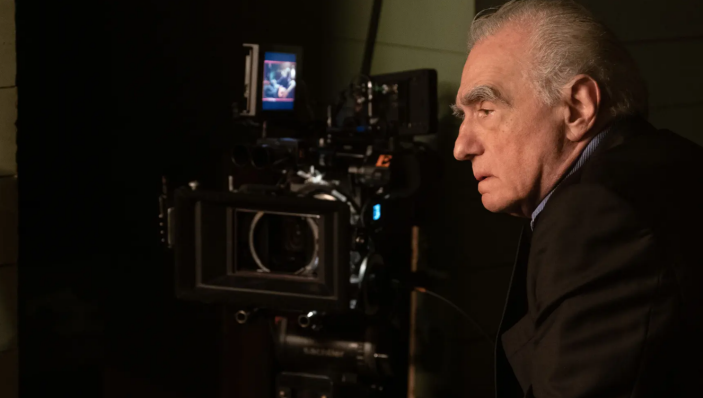
As Spike Lee, who is another favorite filmmaker of yours, jokingly points out, Scorsese’s chronic asthma contributed a lot to his potential as a future filmmaker. As reflected by one of the early key moments in “Goodfellas” (1990), young Scorsese often observed his neighborhood and its various denizens from the windows of his bedroom because he was usually not allowed to go outside due to his chronic illness, and the documentary makes a good point on how that viewpoint of his during that time has influenced many crucial moments in his movies. When his father later began to take him to a local movie theater, he was quite ready to absorb a lot from many different movies ranging from western to musical film, and movies soon became something he could always be passionate about.
As you know well, Scorsese once tried to become a priest, but, mainly due to many transgressions of his, he was eventually let go, and then he decided to study movies at a local college. As he became more passionate about movies, he also honed his raw skill and talent more and more, and he eventually became a new talent to watch when he made a feature film debut with “Who’s That Knocking at My Door?”.
In your review on that film at that time, you said that Scorsese would become an American version of Fellini someday, but he turned out to be too talented and distinctive to become like that. After spending a rather dissatisfying time in Hollywood not long after his considerable participation in Oscar-winning documentary film “Woodstock” (1970), he eventually went for something more personal than “Who’s That Knocking at My Door” after getting some advice from his mentor John Cassavetes, and that eventually led to “Mean Streets”, where he and De Niro took the very first step for their legendary collaboration during next five decades.
With his two subsequent films “Alice Doesn’t Live Here Anymore” (1974) and “Taxi Driver” (1976), Scorsese went through a series of big ups and downs during next several years, and he is quite frank about his addiction problem which could have cost his life not long before he was persuaded by De Niro to direct “Raging Bull” (1980). After struggling with a lot of personal problems while making “The King of Comedy” (1982), he bounced back from the bottom with “After Hours” (1985), but then there came the very unpleasant controversies surrounding “The Last Temptation of Christ” (1988).
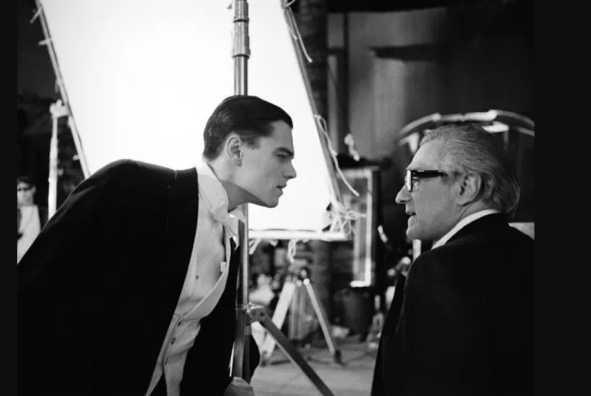
After his another masterpiece “Goodfellas”, Scorsese received more respect and recognition than before, but the Academy Awards kept eluding him before he eventually won the award for “The Departed” (2006), which is incidentally the remake of popular Hong Kong police drama film “Internal Affairs” (2002). In my humble opinion, it is not one of his best works, but we were all glad that Scorsese finally grabbed an Oscar for him more than 40 years after he received the Best Actress Oscar on behalf of Ellen Burstyn in “Alice Doesn’t Live Here Anymore”.
I wish the documentary could focus more on Scorsese’s several recent works including “Killers of the Flower Moon”, but I enjoyed listening to many different interviewees ranging from Steven Spielberg and Brian De Palma to Sharon Stone and Leonardo DiCaprio, who has been crucial in several recent critical/commercial successes for Scorsese’s filmmaking career during several recent years. I also think it would be more interesting if the documentary focused more on Scorsese’s family life and his well-known film restoration projects, but I guess these interesting parts of Scorsese’s life and career will be handled by some other documentaries to come in the future.
Roger, you may already know well many things presented in “Mr. Scorsese”, but you will probably enjoy and admire how Miller presents her fascinating human subject with considerable care and admiration. This is certainly one of the best documentaries of this year, and its entertaining qualities make me miss you more. As I already said above, I really wish you were here to talk about it.


 Seongyong's Private Place
Pingback: 10 movies of 2025 – and more: Part 2 | Seongyong's Private Place